

The Victorian Fleet
The construction of Victorian fortifications for the protection of our U.K. harbours arose from the fear of invasion due to politcal and military developments in France. The first panic came in 1844 due partly to the increase in the French Naval budget. The second was due to the re-election of Louis- Napoleon in 1851-2 and the third came in 1859 due to French political interventionism and military sucess in Italy combined with advances in French naval technology including the launch of the iron-clad Gloire. The United Kingdom's defences were suffering from forty years of neglect when General Sir Fox Gurgoyne brought out a paper entitled ' Observations on the possible Results of a War with France under our present System of Military Preparation'. In it he argued that the French might obtain temporary naval superiority in the Channel long enough to stage an invasion of our shores in great force and concluded that they would succeed, given the current level of defence.
This had an impact on Lord Palmerston who brought out his own paper called 'The Defences of the Country' in 1846. The developments of steam-driven ships, armour-plate, rifled artillery and lesson learned from the Crimean War all fueled public debate. In 1855 Burgoyne produced a 'Memorandum on the probable effect of the Rifled Cannon on the Attack and Defence of Fortifications'. The first 'panic' of 1844 led to the fortification of Milford Haven and the improvement of the batteries defending Portsmouth Harbour. The second panic on 1852 led to the fortification of the western approaches to Portsmouth and The Solent. This included the batteries at Browndown and Stokes Bay with the two forts Gomer and Elson that became the Gosport Advanced Line. In 1855 Burgoyne published a 'Memorandum on the General Principles of Standing Defences suggested for Great Britain'. which contained arguments for and against defending Spithead with sea-forts. Jervois, the assistant to Burgoyne was charged with preparing detailed proposals for the defence of Plymouth and Portsmouth in 1857. The following year he published a 'Memorandum relative to the Protection of Dockyards and most important Harbours of England' and another on 'Defence of the Country against Invasion'. In 1859 he published another paper in which he considered the impact of the new Armstrong rifled guns on the defences of Portsmouth. Yet another memorandum along the same lines was produced by Burgoyne and so the Goverment set up a Royal Commission to consider the defences of the United Kingdom, reporting back in 1860. It formed a special committee to consider the defences of Spithead which included eight naval officers, one of whom was Captain Cowper Coles.The Commission concluded that ' We are led to the opinion that neither our fleet, our standing army, nor our volunteer forces, not even the three combined, can be relied on as sufficient against foreign invasion'. The Commision saw fortification as the most economical solution, the 'Protection of the dockyards against attack by sea, is obviously the first point of consideration'. Some opponents thought that the forts would not be able to stop the passage of a hostile fleet and favoured the addition of armour plate to ships to be the solution. Burgoyne however did not agree 'I have no great confidence in iron-plated vessels. I think that improvements in artillery will go faster than improvements in fortifying the sides of ships.'
Now began the debate. Which was best for defending the U.K.? Forts or ships? Some extremists of the so called 'Blue Water School' postulated that fortifications were unecessary and the defence of the U.K. should be left entirely to the Navy. Coles realised that the forts were not intended to be a substitution for a strong Navy and were primarily for the protection of dockyards and naval bases to allow the fleet freedom of movement and action. The debate on the value of the sea-forts and the issue of ships versus forts became contentious. Coles of the Blue Water School was an influential voice producing a paper 'Our National Defences' in 1861. He dominated the argument in favour of a strong navy including the use of centre-line iron revolving turrets on warships. He was a very vociferous opponent of the Spithead forts but he held some strong views on the defence of our coasts and his ideas on this were eventually adopted. He accepted that fortifications were necessary and he applied his ideas on turrets and sheilded guns to both ships and forts.
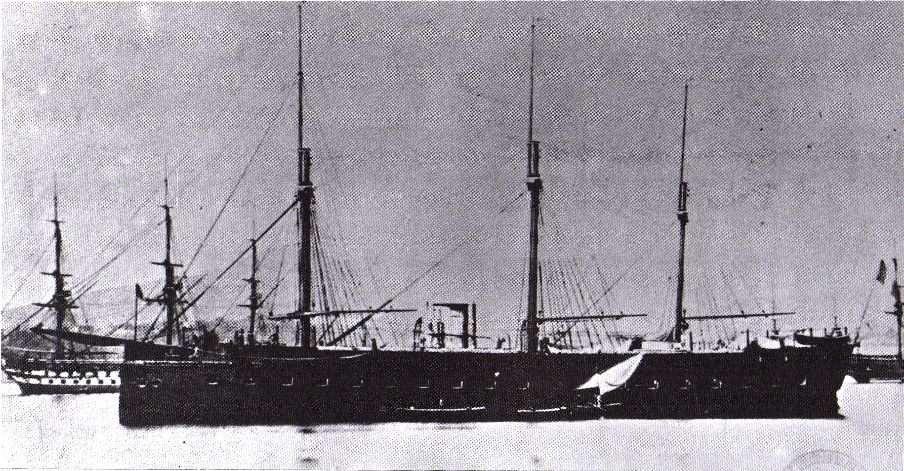
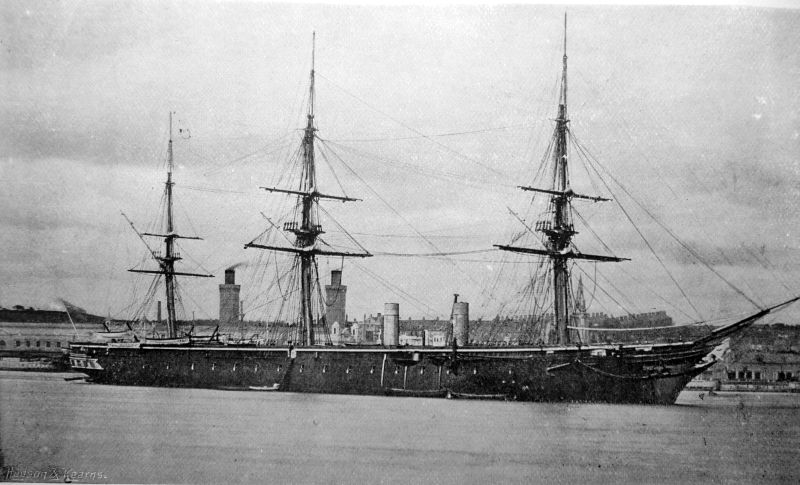
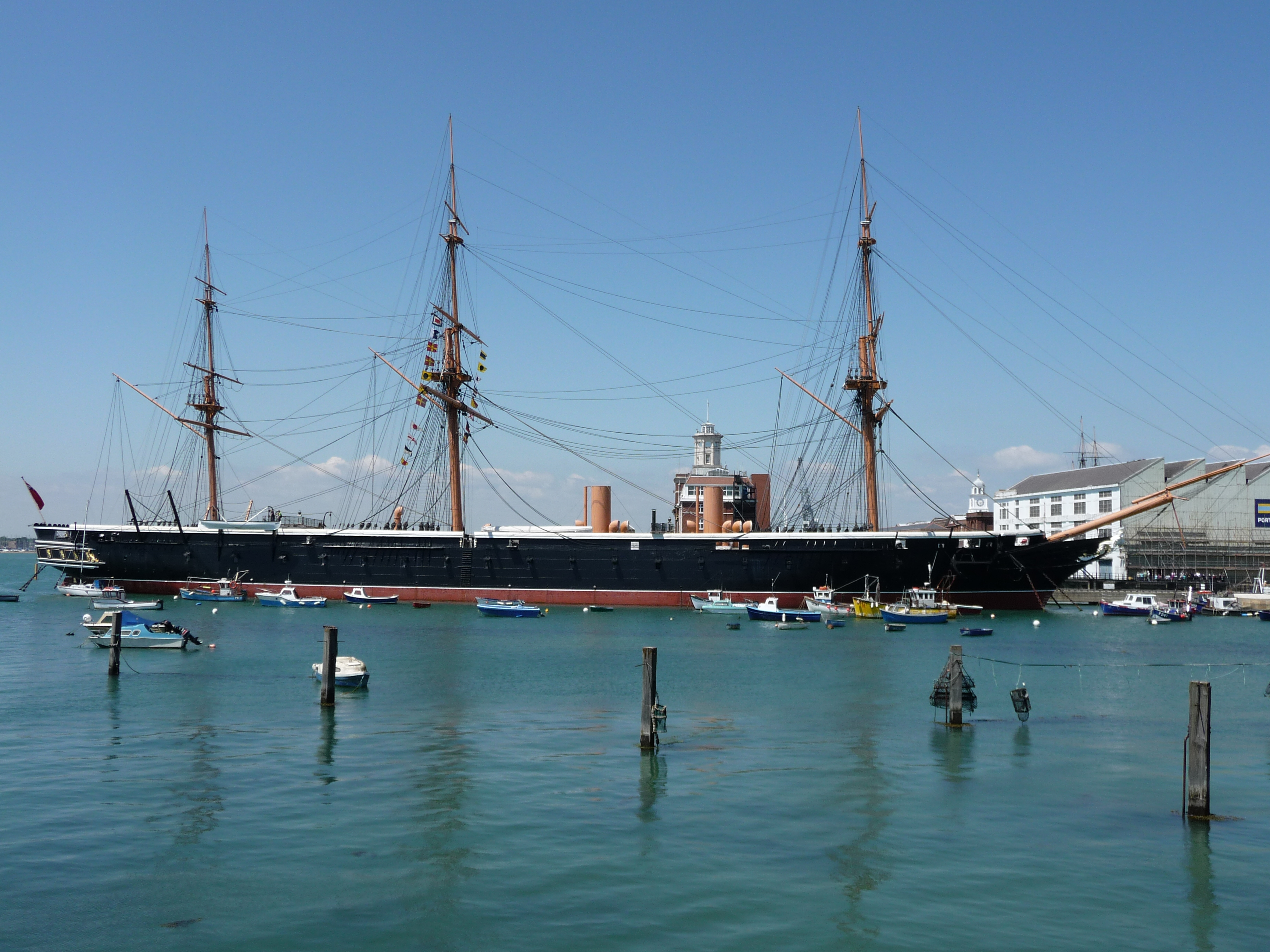
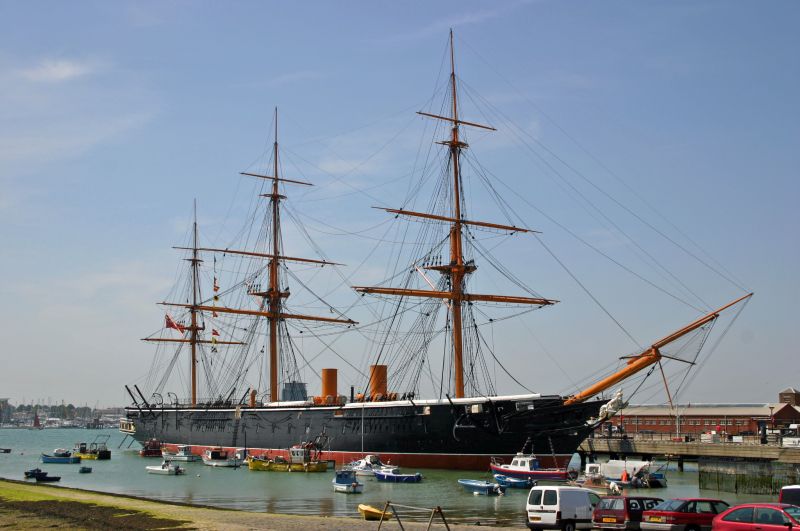
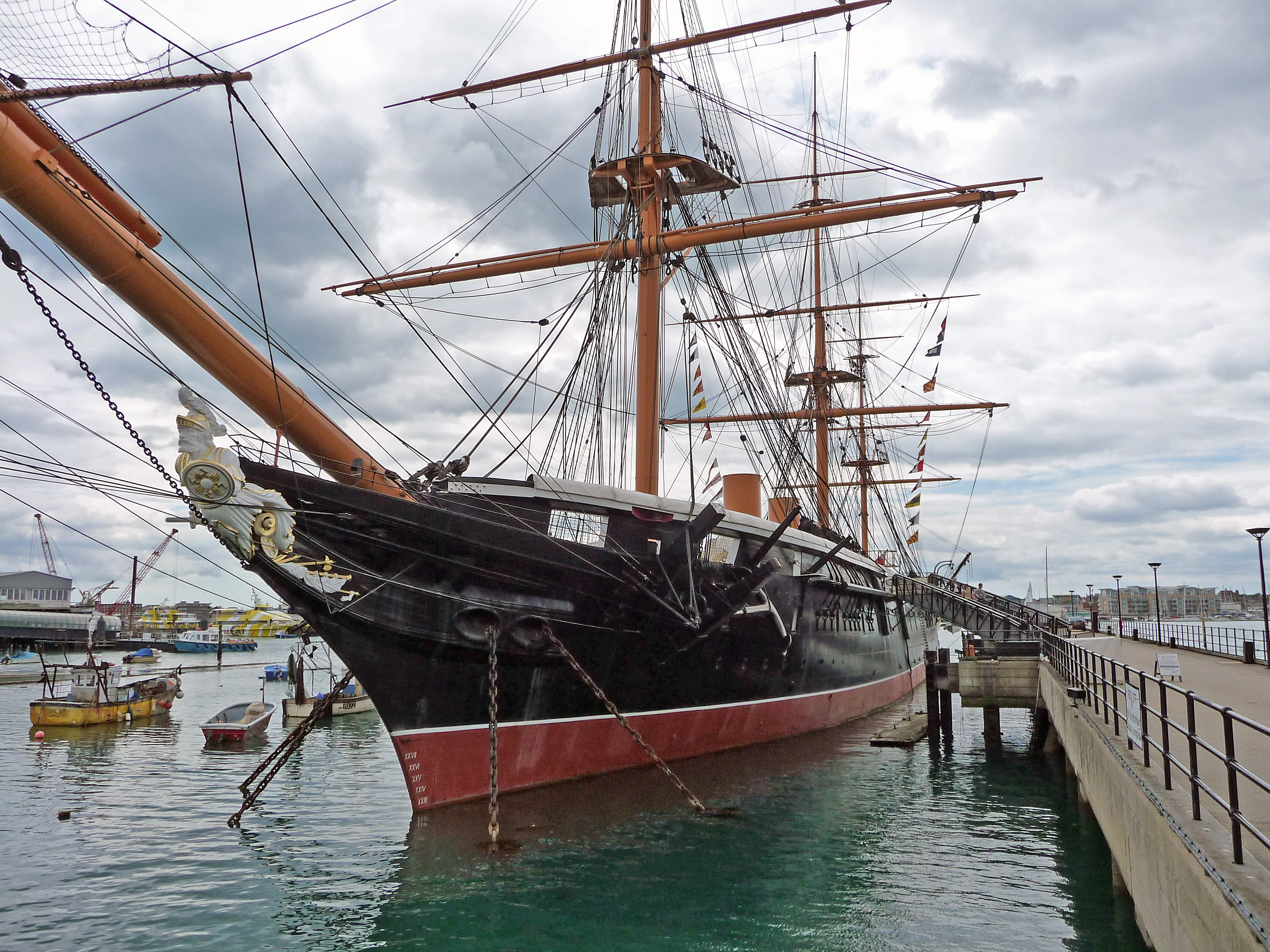
The launching of the steam powered iron-clad warship 'Glore' by the French in 1859 was matched by the British iron-hulled 'Warrior' in 1860. Thus began a revolution in ship design and the Royal Navy rapidly became one of the most powerful sea forces in existence.
 |
 |
 |
 |
Gloire : French Laid down 1858 Launched 1859 |
Warrior 1860 Warrior Class Broadside ironclad |
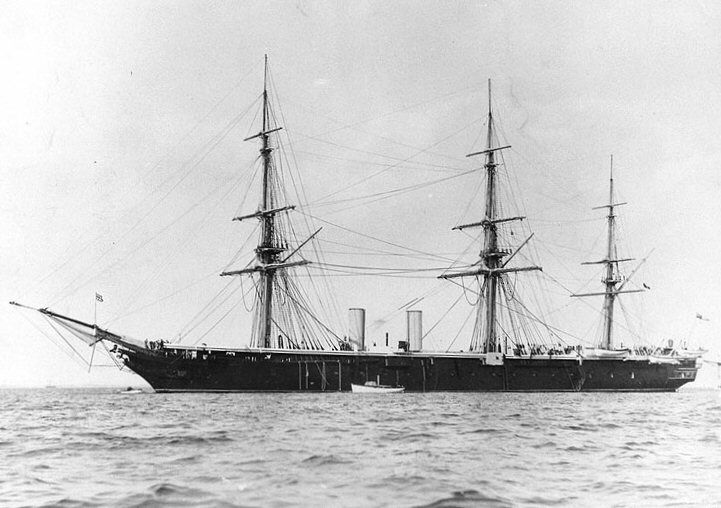
Black Prince Warrior Class Broadside ironclad |
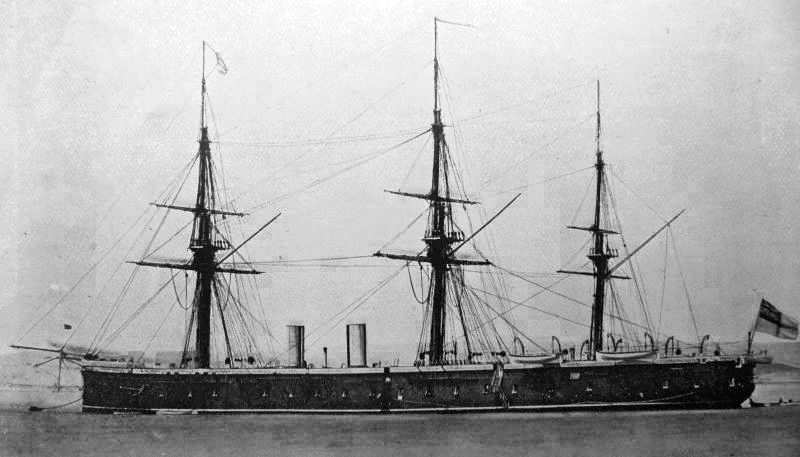
Achilles 1863 Broadside Ironclad Unique design from Warrior Frigate |
 |
 |
 |
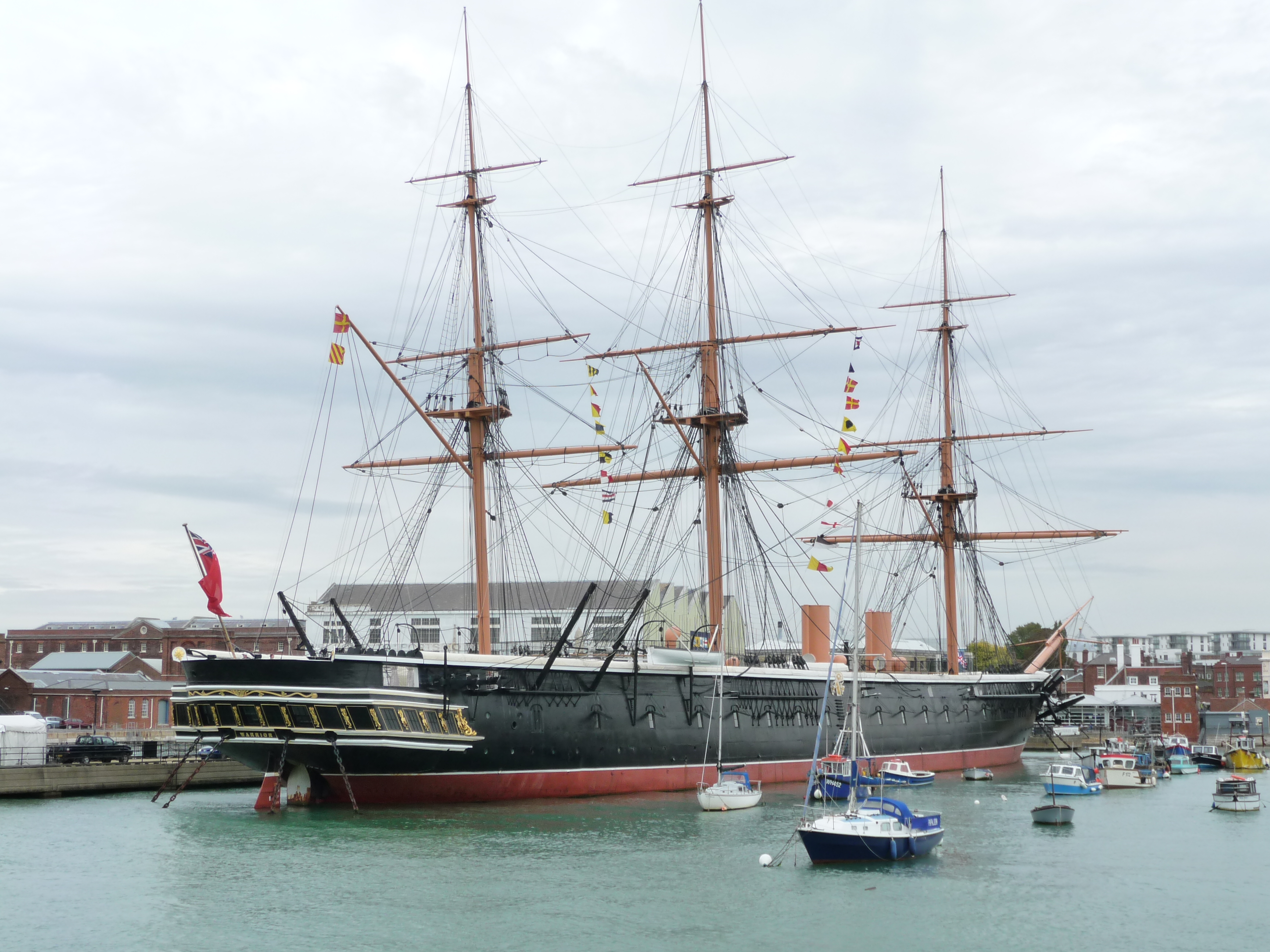 |
Warrior in 2009 Now preserved in Portsmouth Dockyard Heritage Area |
H.M.S. Warrior 1860 |
H.M.S. Warrior 1860 |
H.M.S. Warrior 1860 |
 Wikipedia
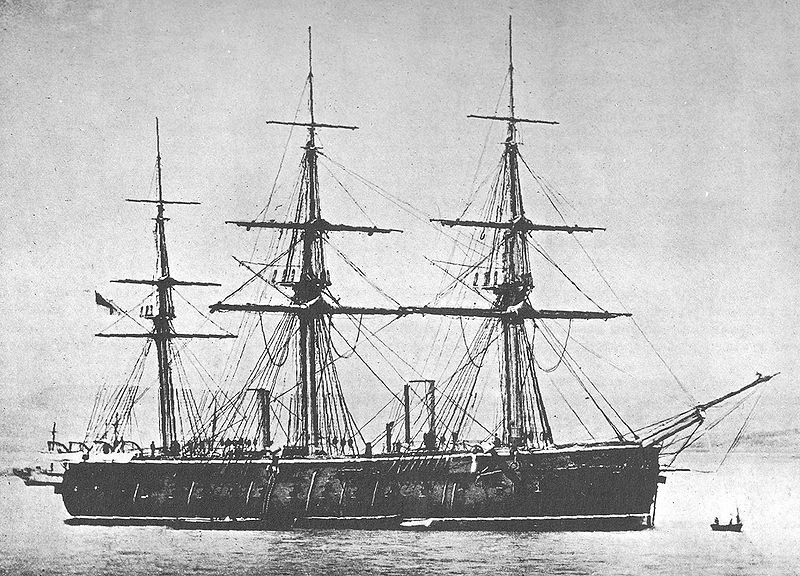
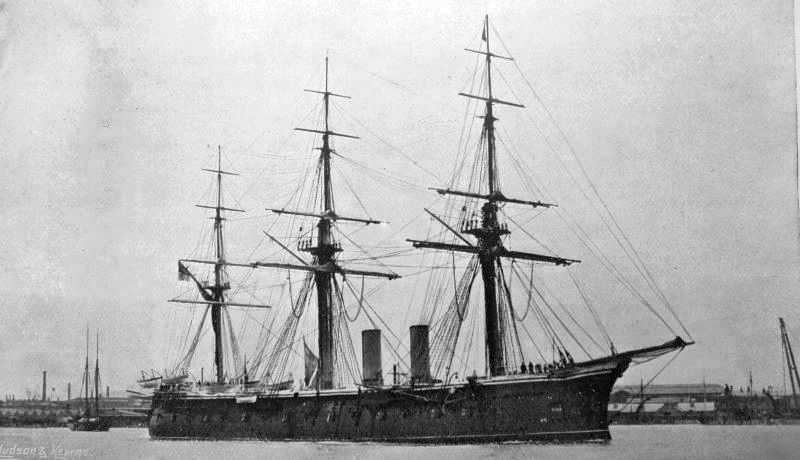
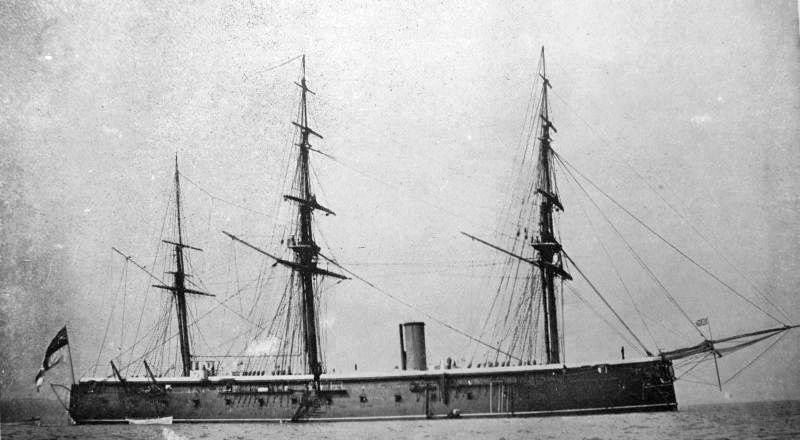
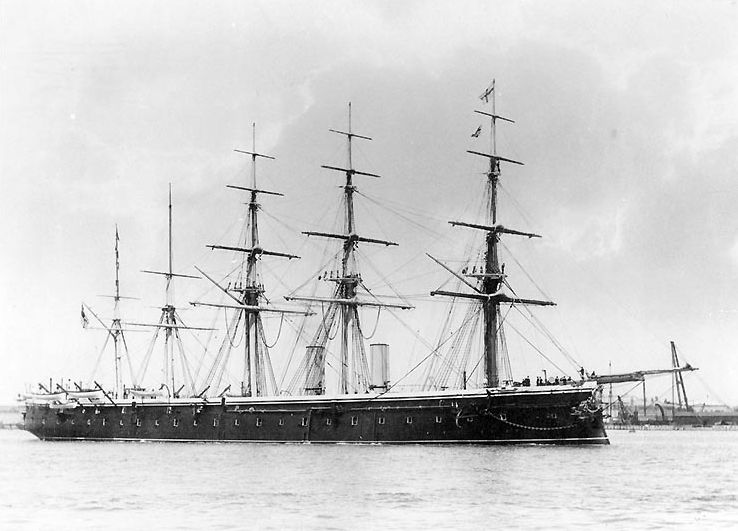
In 1861 the broadside ironclad Black Prince followed swiftly by Defence and Resistance were launched. These were followed by Hector, Ocean, Royal Oak and Caledonia 1862, with Valiant, Achilles, and Minotaur in 1863. In 1864 Royal Alfred, Enterprise, Favourite, Zealous and Lord Clyde were launched.
 |
 |
 |
|
Ocean 1862 Prince Consort Class Broadside Ironclad |
Caledonia 1862 Prince Consort Class Broadside Ironclad |
Royal Oak 1862 Prince Consort Class Broadside Ironclad |
|
 |
 |
||
Valiant 1863 Hector class Broadside ironclad |
Minotaur 1863 Monotaur Class Broadside Ironclad |
In 1864 the Royal Sovereign, laid down in 1857, was converted to a turret ship.
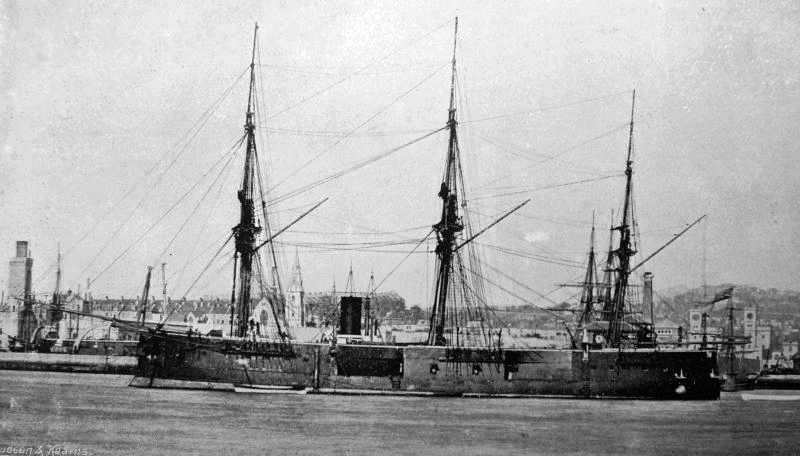
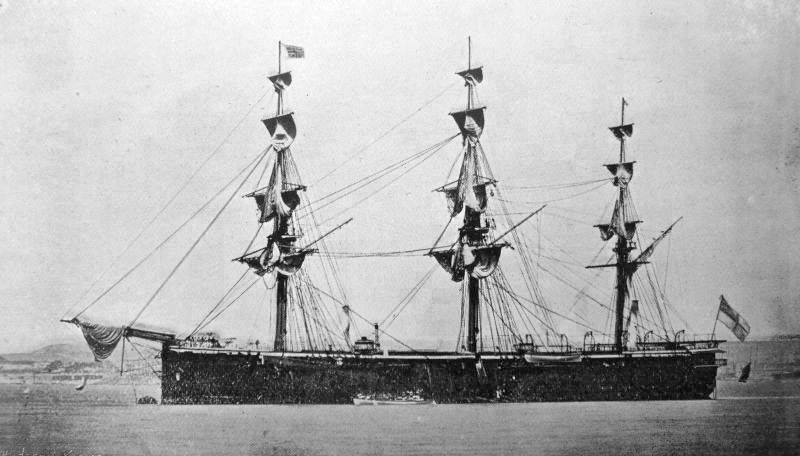
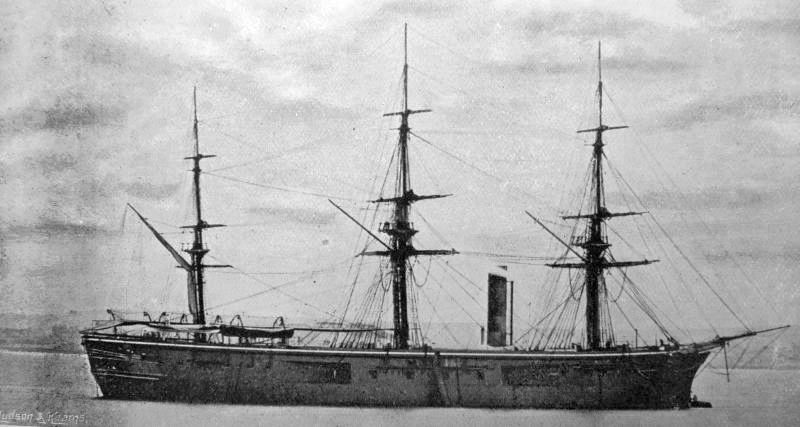
In 1865 Pallas, Bellerophon and Agincourt were launched followed by Lord Warden.
In 1867 Penelope was launched. In 1868 the Central Battery Ironclad Repulse was launched, then Hercules and Monarch followed by the Turret ship Cerberus in 1868. (Cerberus still exists: http://www.cerberus.com.au/)
 |
 |
 |
 |
Pallas 1865 Central Battery Ironclad |
Lord Warden 1865 Lord Clyde Class Broadside Ironclad |
Penelope 1867 Central Battery Ironclad Hulked 1897 |
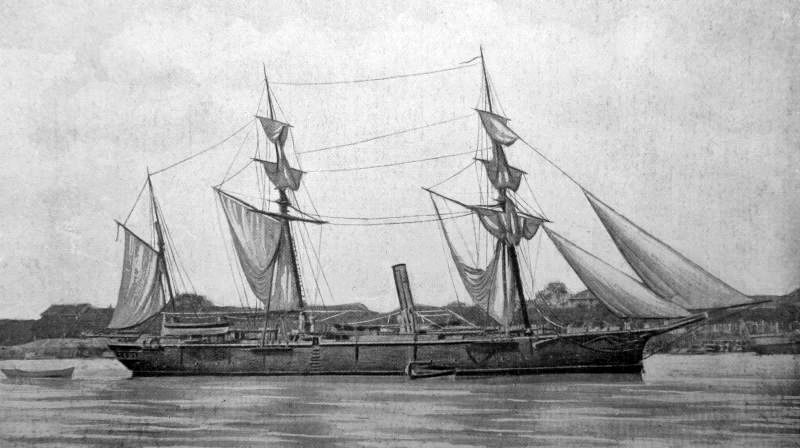
Teazer 1868 Beacon Class Composite gunboat
|
 |
 |
 |
 |
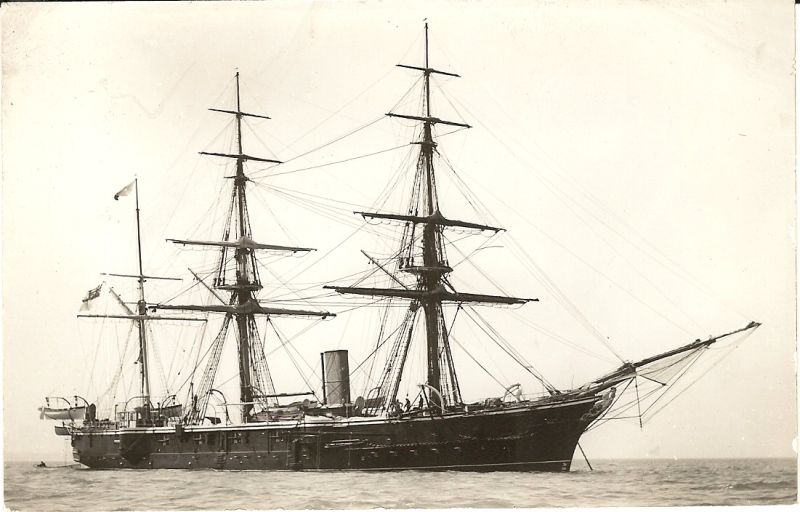
Tourmaline 1875 Emerald Class Masted Cruiser
|
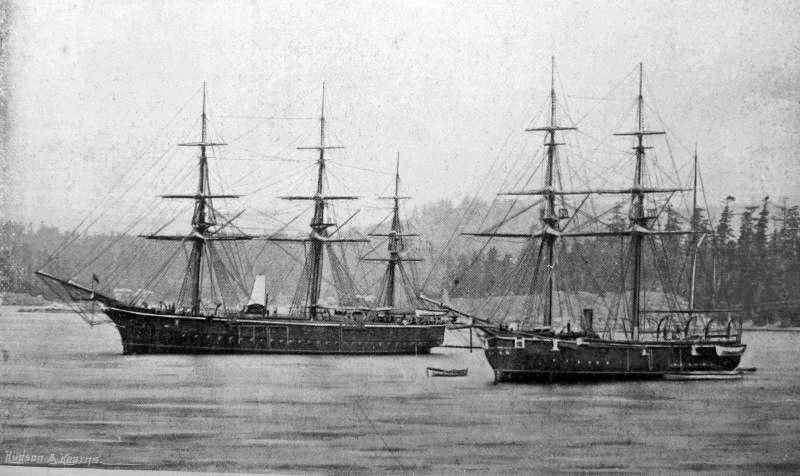
Opal 1875 Composite Corvette and Fantome 1873 Composite Screw Sloop |
Turquoise 1876 Emerald Class Masted Cruiser
|
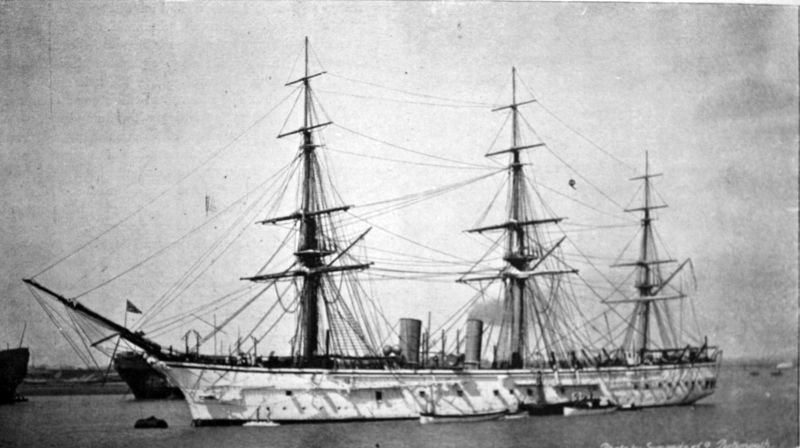
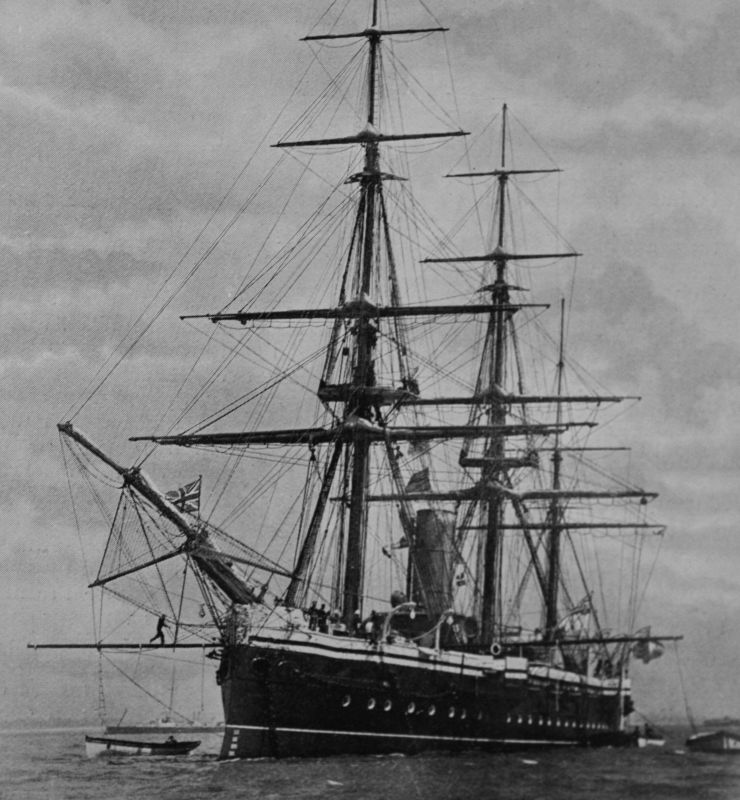
Bacchante 1876 Bacchante Class Ironclad Corvette |
 |
 |
 |
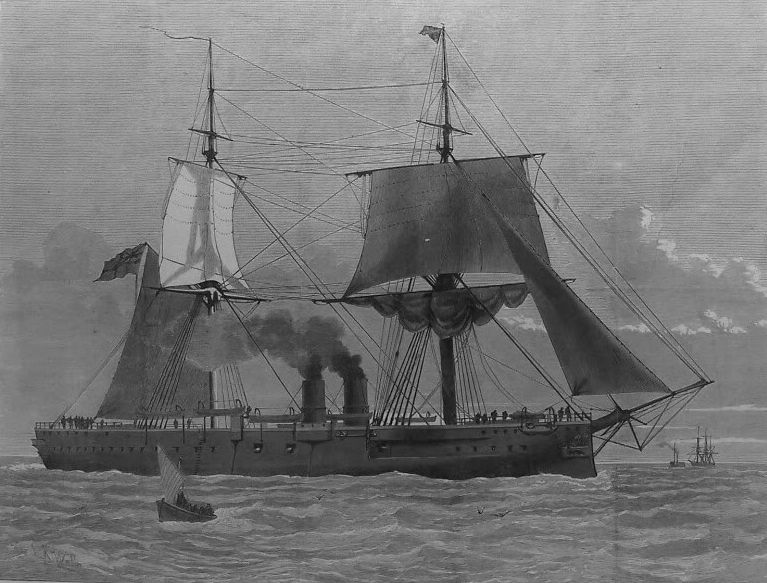 |
Boadicea 1876 Bacchante Class Ironclad Corvette |
Champion 1878 Screw Corvette |
Cleopatra 1878 Screw Corvette |
Temeraire 1876 Ironclad |
Turret Ships
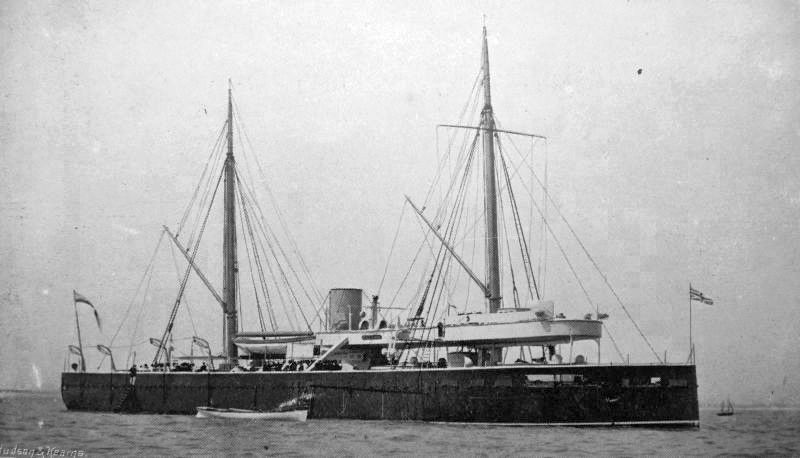
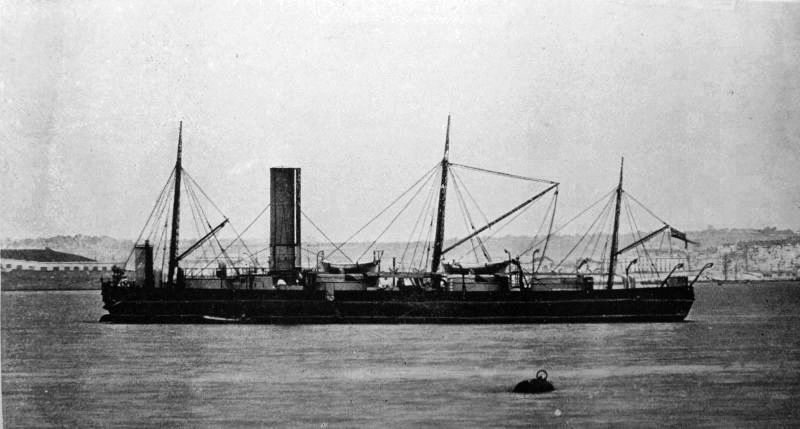
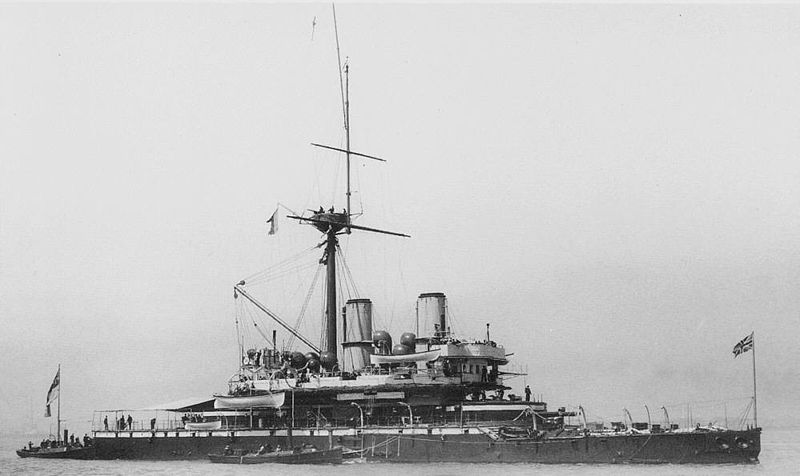
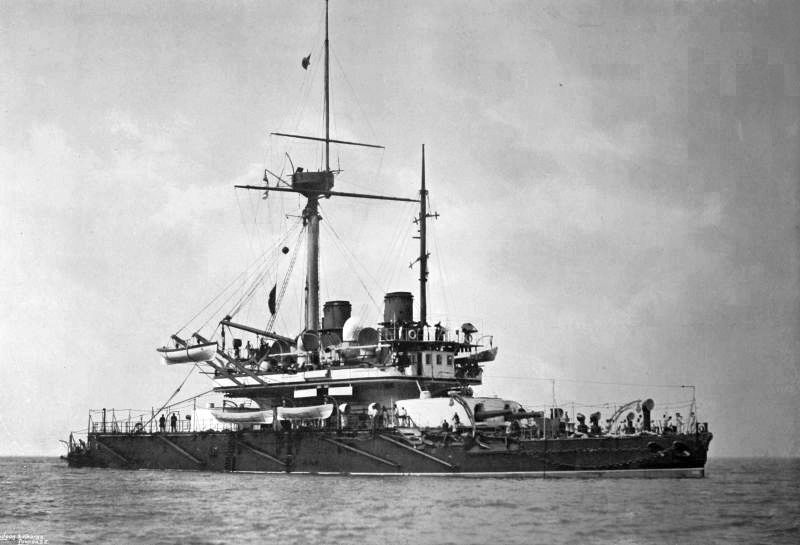
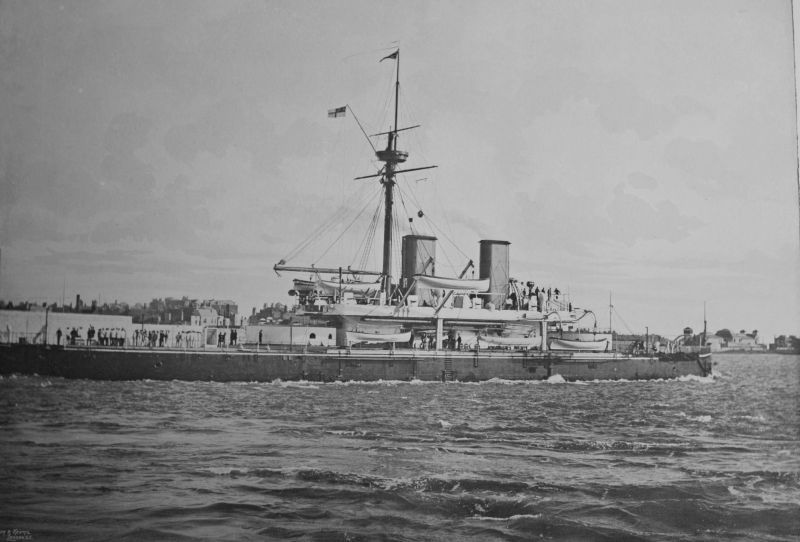
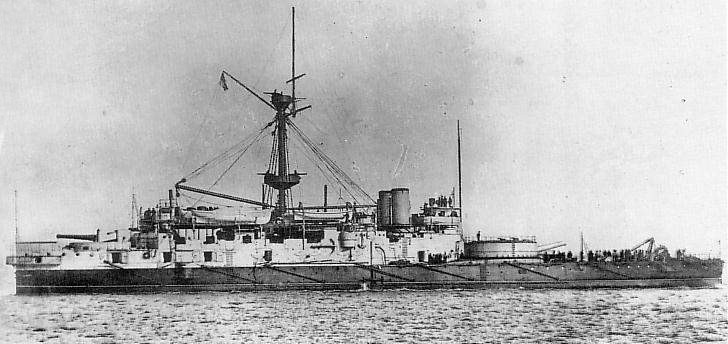
The turret ship first appeared in conflict when USS Monitor steamed into Battle. It was designed by the Sedish engineer Ericson. Captian Cowper Coles was a keen exponent of the Turret ship and he began designing ships armed with central turrets for the Royal Navy. Coles' Turrets turned on a ring of bearings which he thought superior to the central spindle of Monitor. The first Royal Naval ship to carry her main armament in turrets was H.M.S. Prince Albert, launched in 1864. The turret ship HMS Captain, launched 1869 capsized in a gale 1870. Inflexible was an improvement as it had two turrets either side of the centre line allowing both to fire fore, aft and broadside.
 |
 |
||
Prince Albert 1864 Ironclad Second rate Coast Defence |
Royal Sovereign Laid down 1857 Converted to turret ship 1864 |
||
 |
 |
 |
 |
Devastation 1871 Devastion Class Turret Ship |
Thunderer 1872 Devastation Class Turret Ship |
Dreadnought 1875 Turreted Ironclad |
Inflexible 1876 Central Citadel Turret Ship |
Single Turret Ship
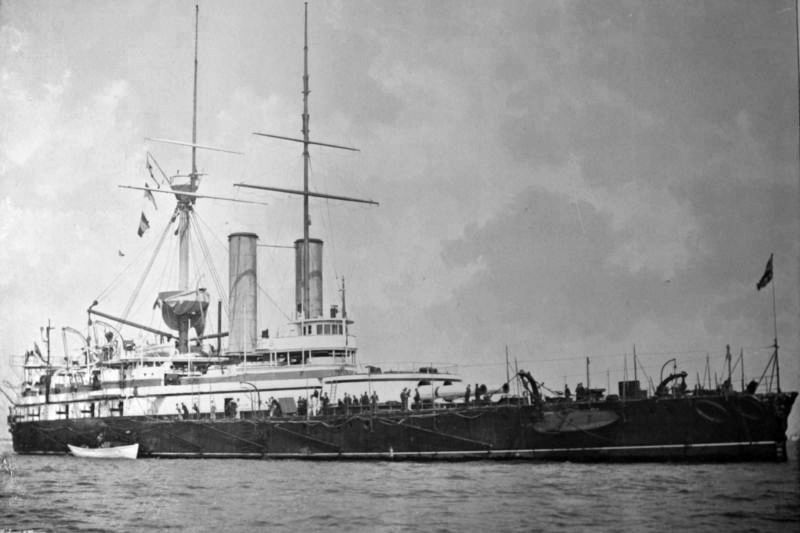
The first such vessel was Hotspur (1864) then Rupert (1970), Conqueror (1879) and Hero (1884) The vessels Sanspareil and her sister Victoria were the final expression of the so called single turret ship. The wreck of H.M.S.Victoria has recently been discovered, Tripoli Lebanon 2008.: Youtube video.
 |
 |
|
Victoria 1887 Victoria Class Battleship |
Sans Pareil 1887 Victoria Class Battleship |
Torpedo Boats Destoyers and Depot Ships
The Royal Navy's first Torpedo boat, HMS Vesuvius, was launched in 1874 followed by the the series of torpedo boats starting with HMS Lightning in 1876, the first seagoing vessel to be armed with self-propelled Whitehead torpedoes. Torpedo RamsPolyphemus was launched in 1882. Next came the torpedo cruisers of the Scout and Archer class with the emphasis on topedo attack. In the mid-1880s the focus shifted to torpedo-catchers and the first torpedo gun boats such as HMS Rattlesnake in 1886. This was followed by the Sharpshooter, Jason and Dryad classes.
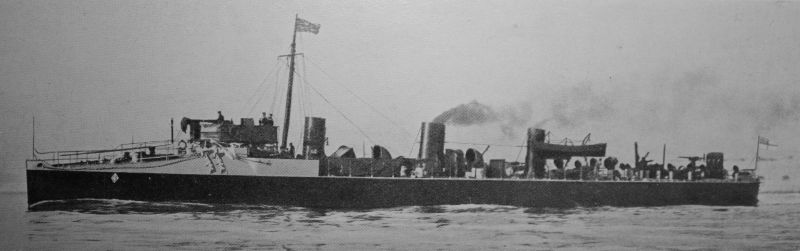
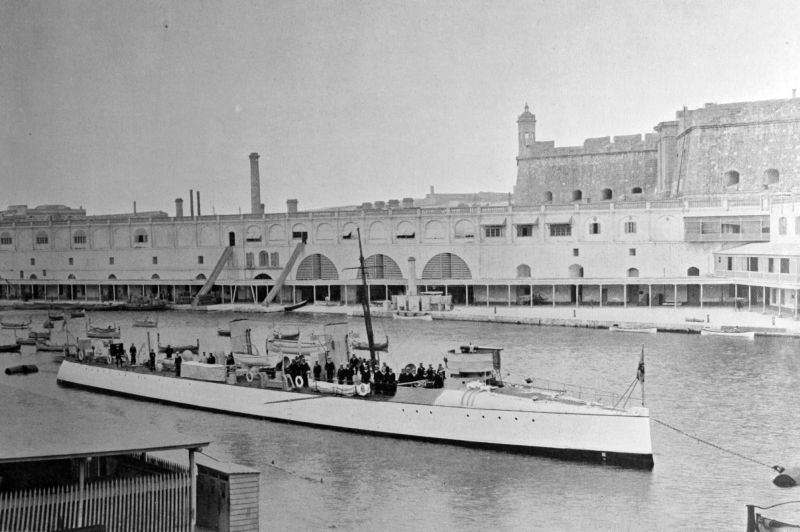
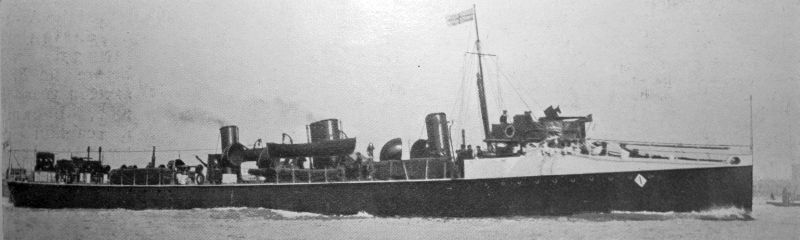
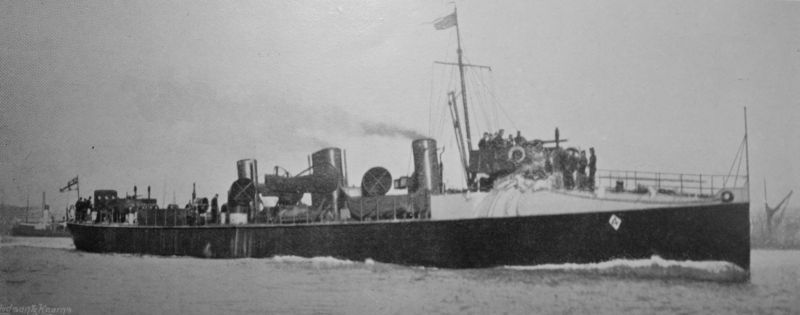
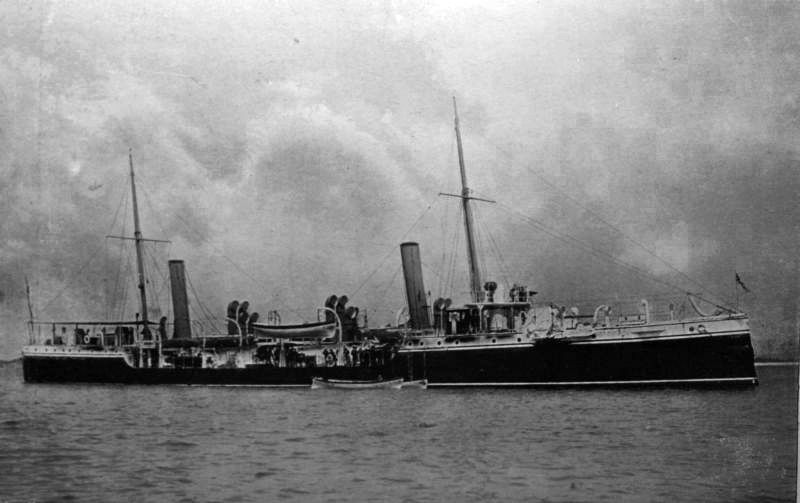
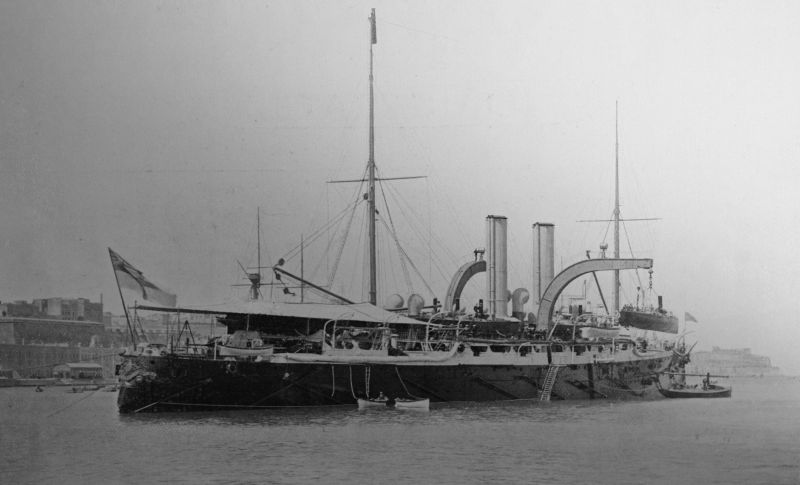
Explosive torpedoes became common place in Naval warfare resulting in a need for fast Torpedo Boat Destroyers and Torpedo Depot Ships. In 1892 Fisher was asked to look at the future of fast and powerful vessels capable of catching and destroying torpedo boats.
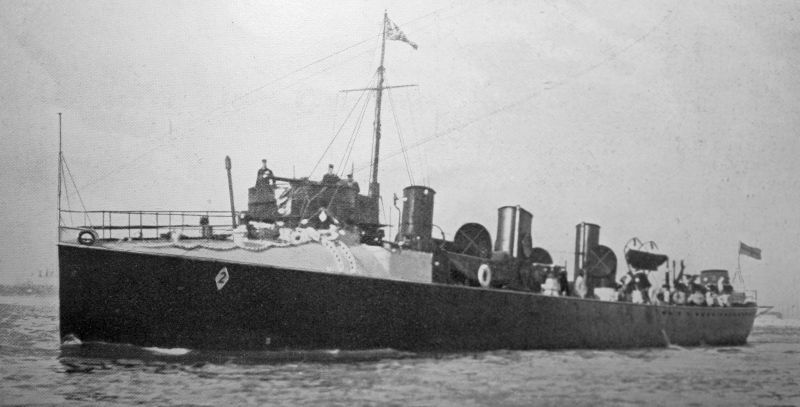
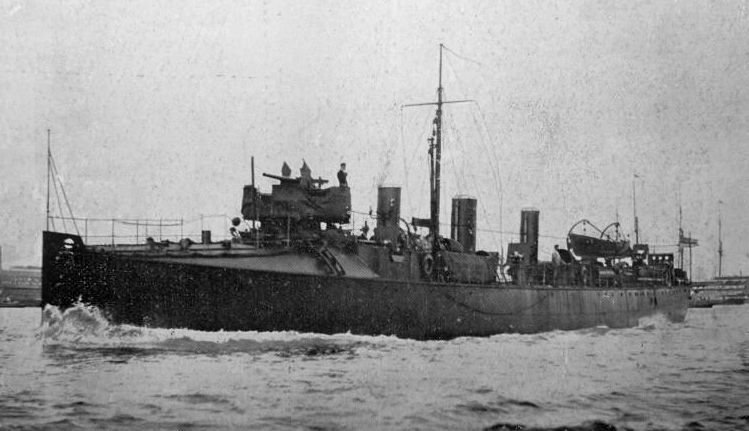
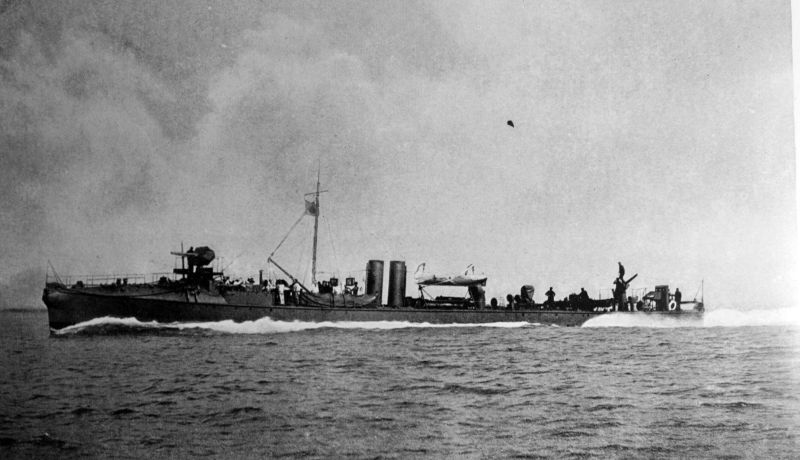
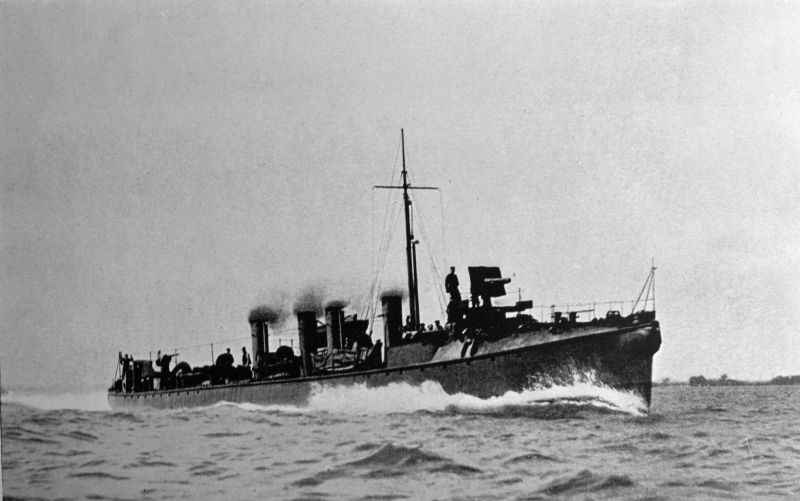
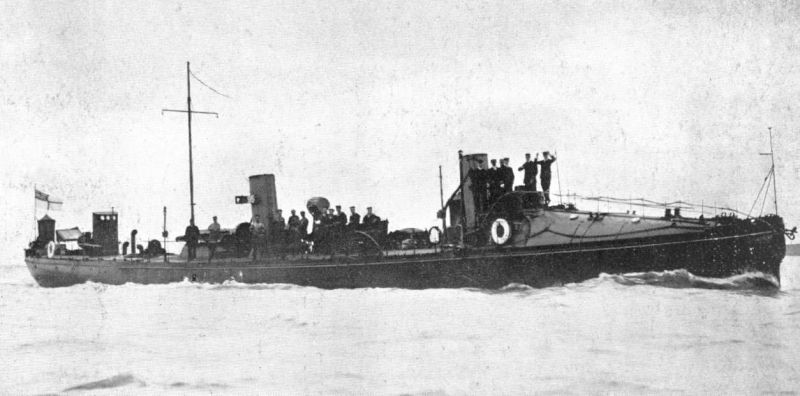
The two Daring Class Destroyers, Daring and Decoy, were the very first torpedo boat destroyers ordered for the Navy, built by Thornycroft. Another two, Havock and Hornet were built by Yarrow. Two more followed, Ferret and Lynx, all six being designated as the '26-knotters' (1892-1893). In 1894 the '30-kontters' followed, Desperate, Fame, Foam and then Mallard. Added to this were Quail, Sparrowhawk, Thrasher and Virago.
The Class C Topedo Boat (designated in 1913) Destroyers were built in the 1890s as individual designs meeting Admiralty specifications. All had three funnels with a turtle-back forecastle. They had a top speed of 30knots.
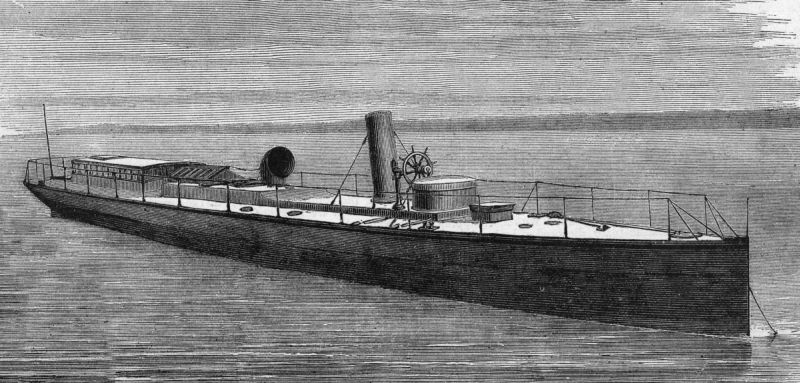 |
Lightning 1876 (later renamed Torpedo Boat No. 1) |
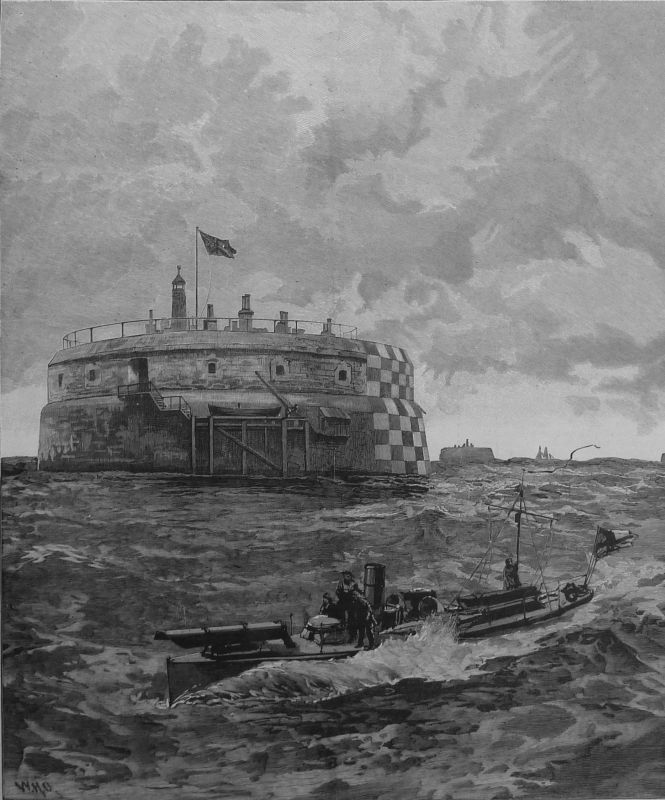 |
A Torpedo Boat passes Spitbank Fort 1888 (ILN) Possibly Lightning after her 1879 modification. Tender to the Vernon Torpedo school at Portsmouth.
|
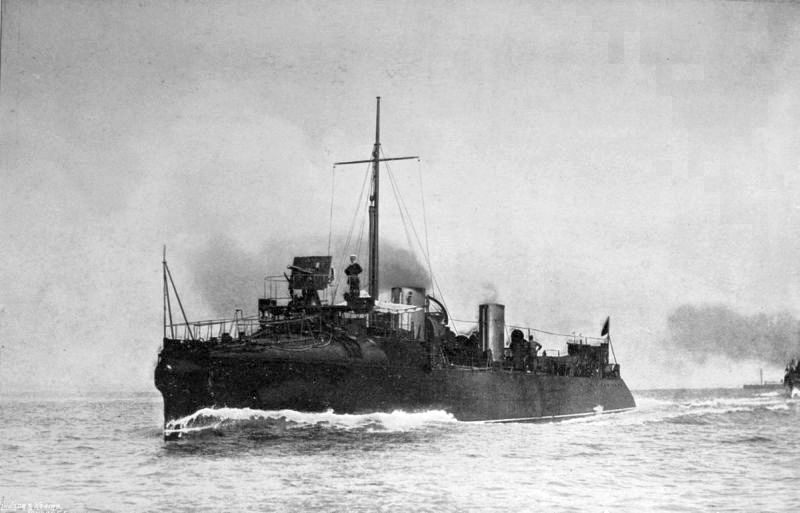 |
 |
 |
 |
Daring 1893 Daring Class Torpedo Boat Destroyer |
Hunter 1895 Handy Class Torpedo Boat Destroyer |
Violet 1897 Violet Class Torpedo Boat Destroyer |
Ardent 1894 Ardent Class Torpedo Boat Destroyer |
 |
 |
 |
|
Crane 1896 Star Class Torpedo Boat Destroyer |
Star 1896 Star Class Torpedo Boat Destroyer |
Chamois 1896 Star Class Torpedo Boat Destroyer |
Flying Fish 1897 Star Class Torpedo Boat Destroyer |
 |
 |
 |
 |
Ranger 1894 Sunfish Class Torpedo Boat Destroyer |
Halcyon 1894 Dryad Class First Class Torpedo Gunboat |
Havock 1893 Havoc Class Torpedo Boat Destroyer |
Hornet1893 Havoc Class Torpedo Boat Destroyer |
 |
 |
 |
|
Vulcan 1889 Torpedo Boat Carrier and Depot Ship |
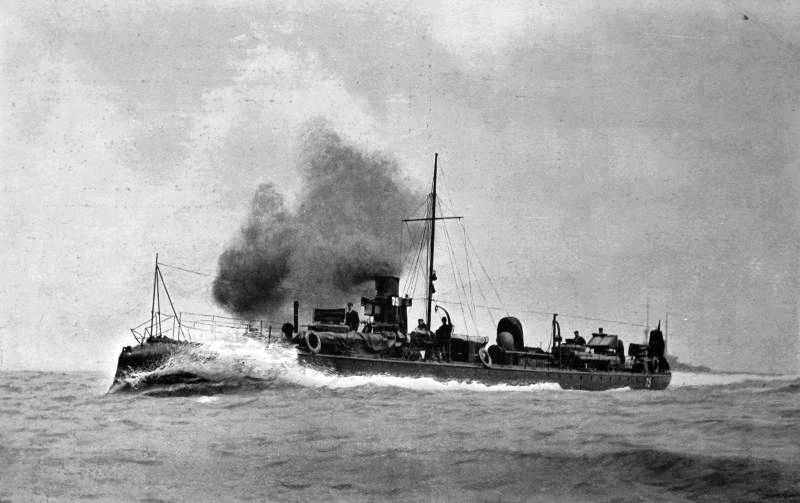
Torpedo Boat No.95 Experimental TB
|
Torpedo Boat No.75 Experimental TB One of sixteen built in 1886
|
Rams
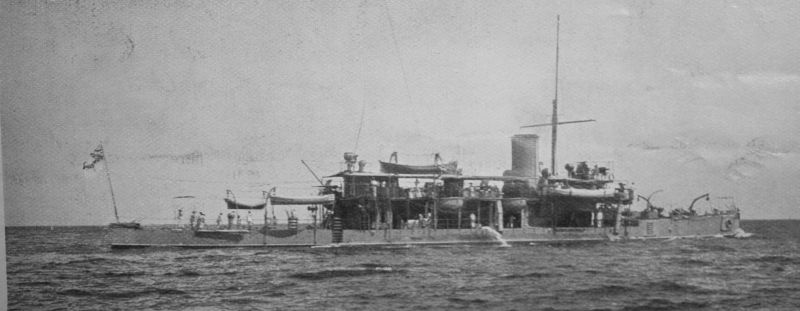
With the advent of the steam-propelled ironclad warships came a new weapon of special potentiality, the ram. Due to the vulnerability of the ironclad to damage below the waterline all of the early ironclads from Warrior onwards were fitted with the ram.. After the American Civil War battle of Lissa in which the Italian flag-ship was sunk by one blow from the ram of the Austrian ironclad, both England and France constructed vessels specially for the purpose of ramming. The Rupert and the Hotspur were built with a single turret facing forward to be used in end-on fighting, clearing the way for the attacking ship by firing heavy projectiles before it rammed. The Admiralty were then persuaded to build a special ship without heavy guns, a strange class of Protected Torpedo Boat with shallow draft and low profile designed with the secondary purpose of sinking enemy ships at anchor, the Polyphemus. It was begun in 1878 and completed in 1882 with a powerful ram prow and five torpedo tubes. Its low profile afforded a small mark for enemy fire whilst its turtleback shape gave protection from light gun projectiles. Its top speed of 17 to 18 knots aided its ramming capability.
 |
|
Polyphemus 1881 Protected Torpedo Boat Ram |
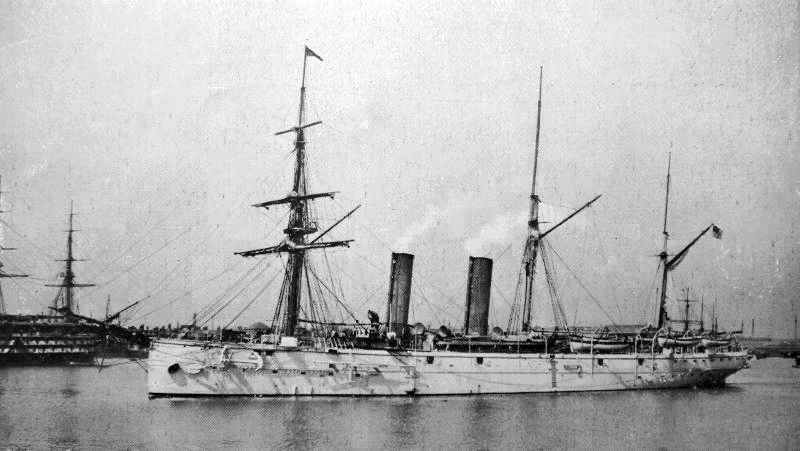
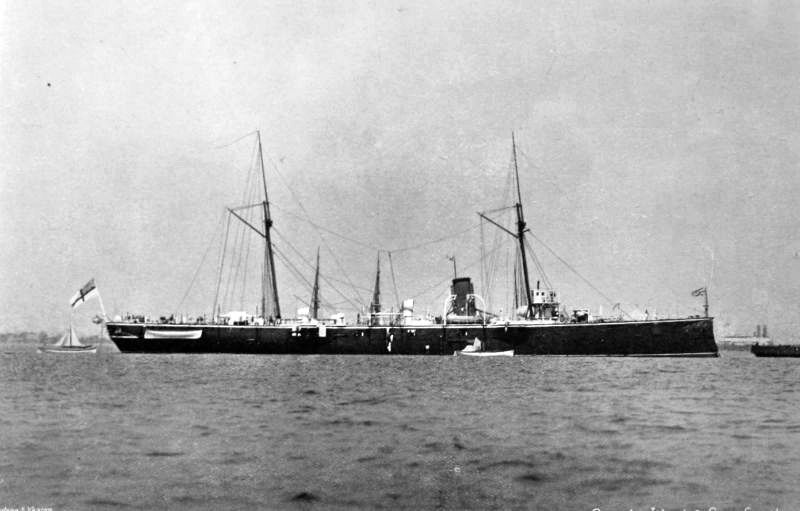
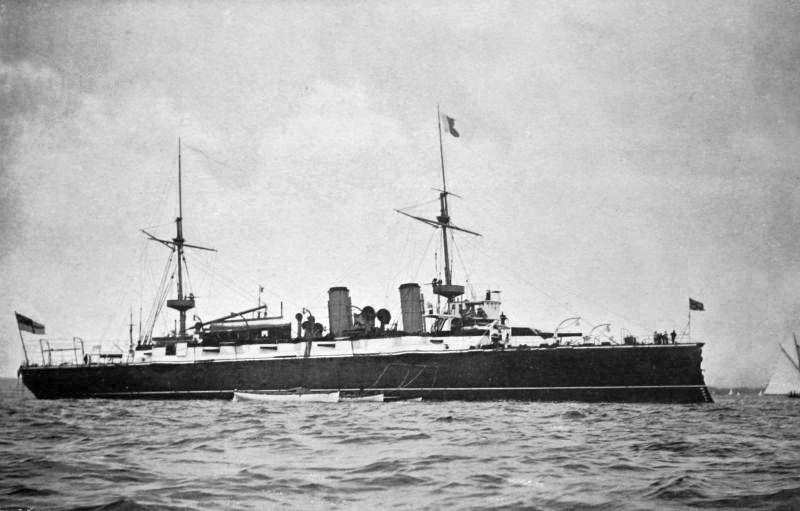
By the 1880s the term Ironclad was dropped and the new ships were constructed to a standard pattern. They were classed as Protected Cruisers or Battleships.
Protected Cruisers
 |
 |
 |
|
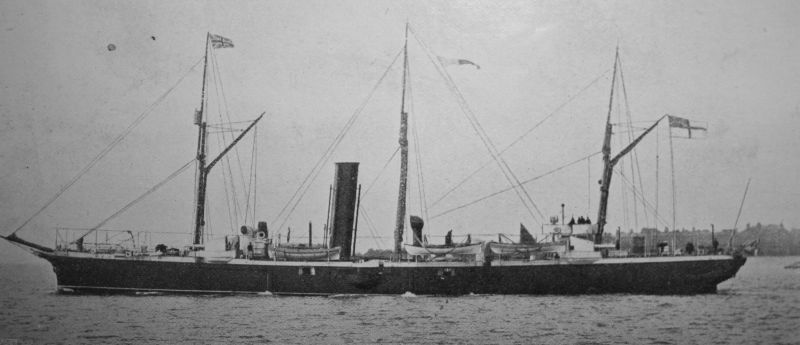
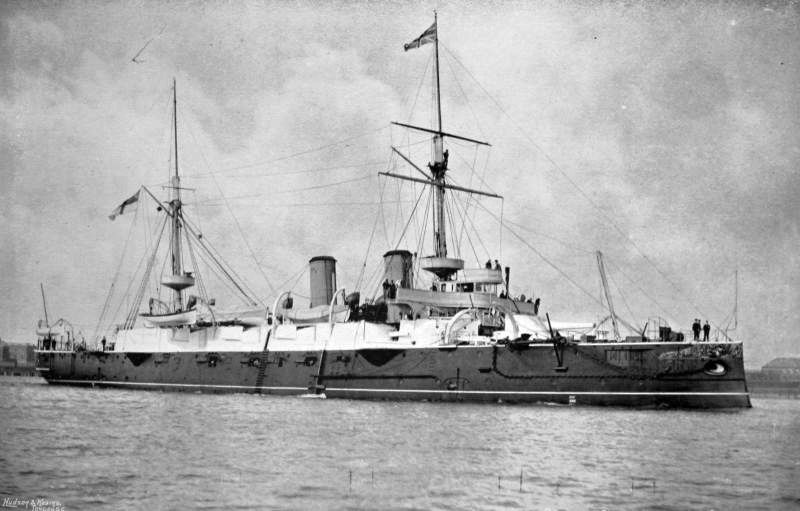
Mercury 1878 Iris Class Protected Cruiser and Despatch Vessel |
Mersey 1885 Mersey Class Protected Cruiser |
Orlando 1886 First Class Protected Cruiser |
|
 |
 |
 |
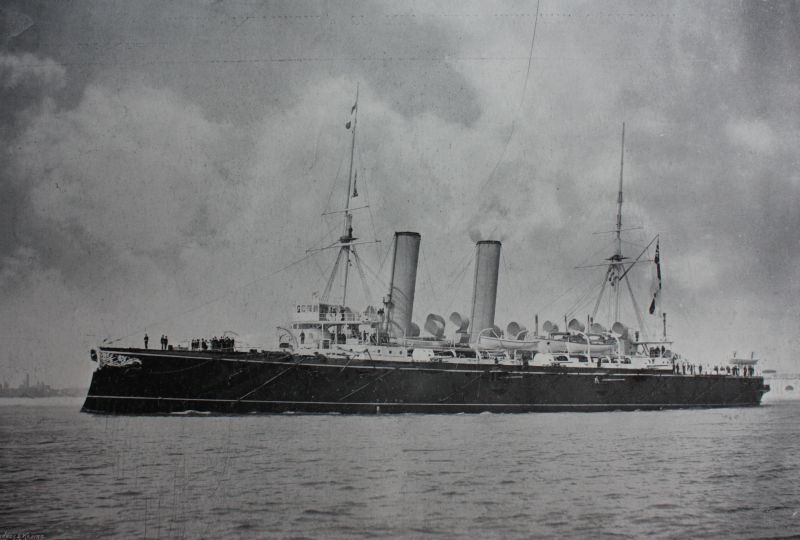 |
Porpoise 1886 Third Class Cruiser
|
Galatea 1887 First Class Protected Cruiser |
Australia 1888 Protected Cruiser |
Blake 1889 Protected Cruiser |
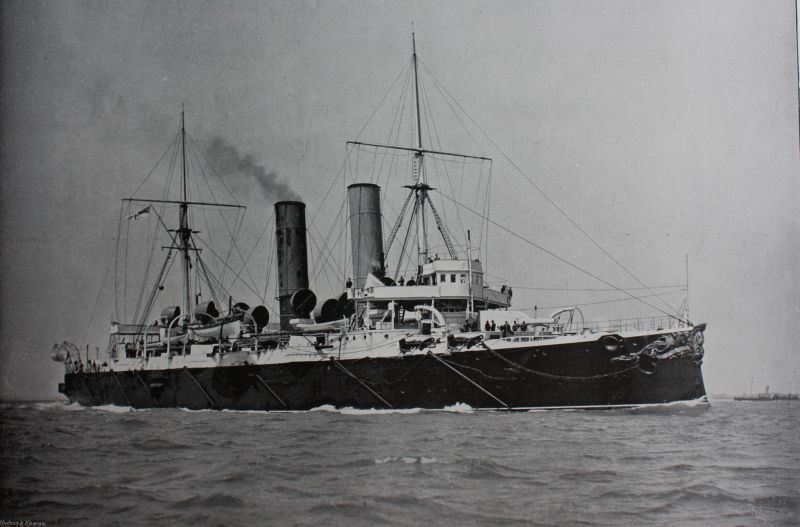 |
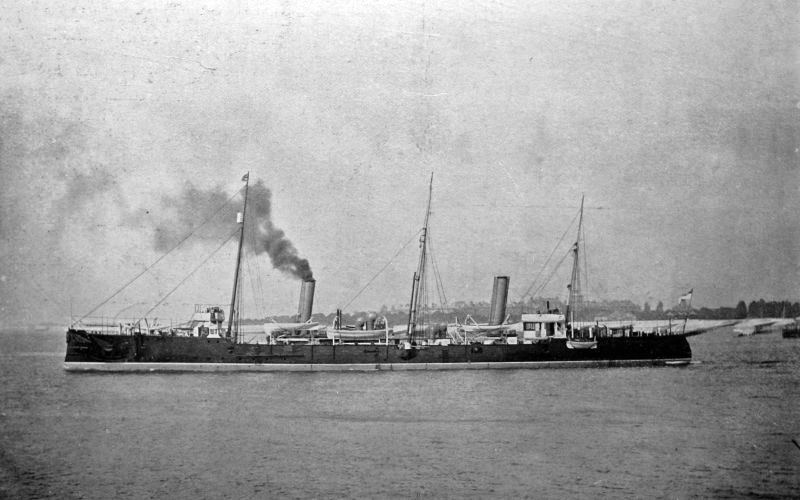 |
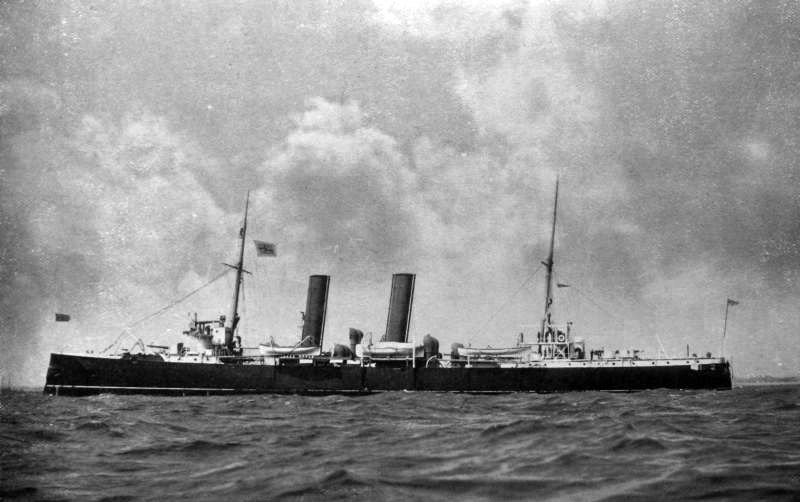 |
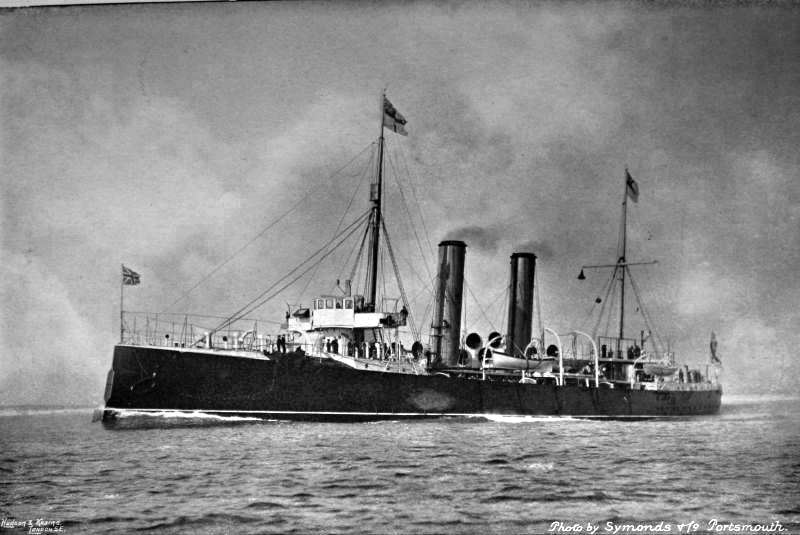 |
Blenheim 1890 Protected Cruiser |
Third Class six gun twin screw Protected Cruiser |
Melampus 1890 Protected Cruiser |
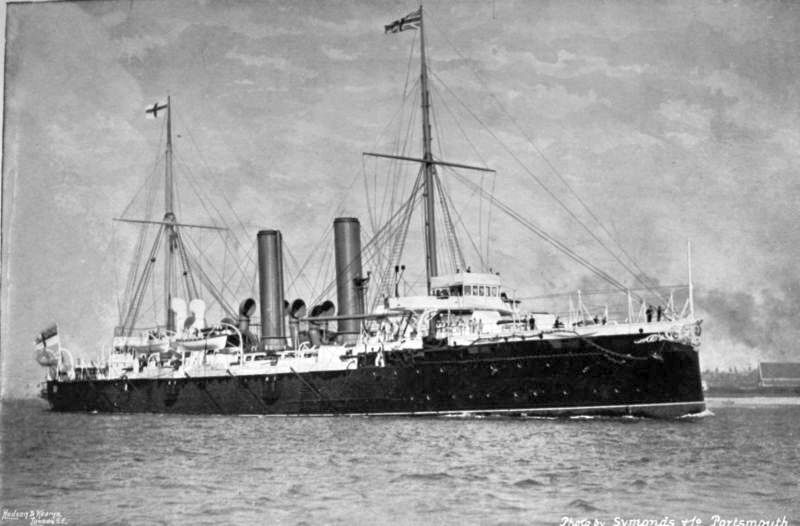
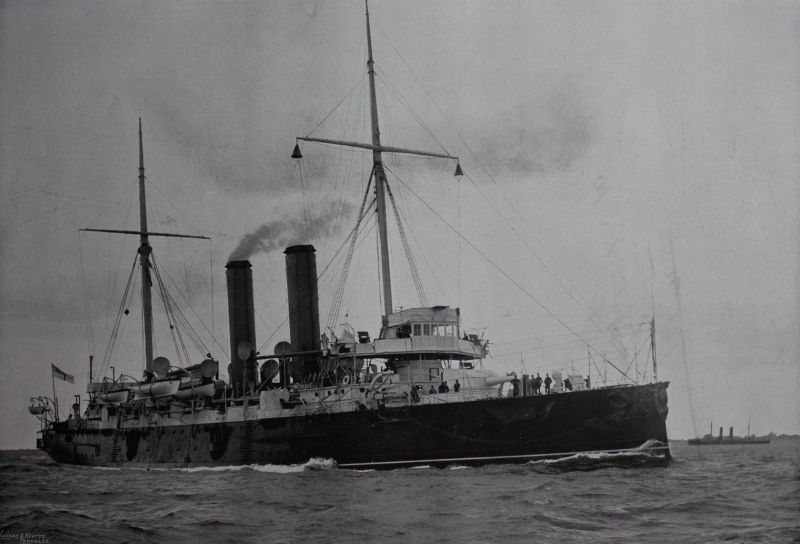
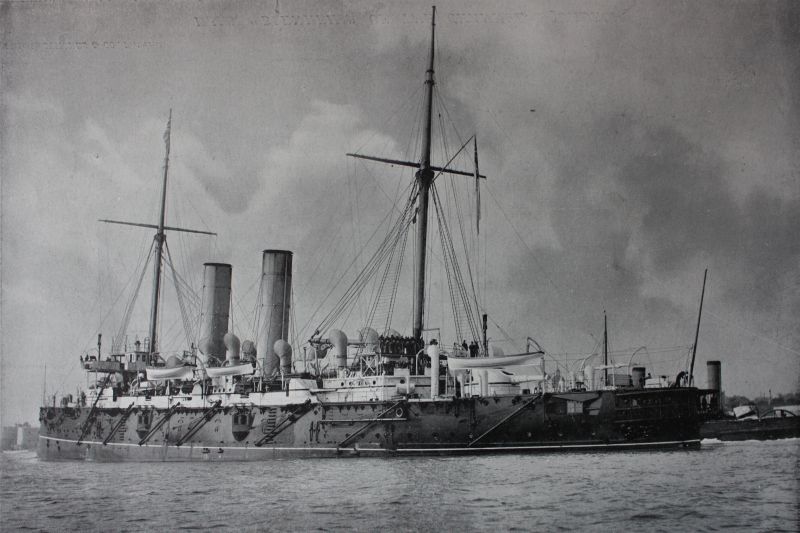
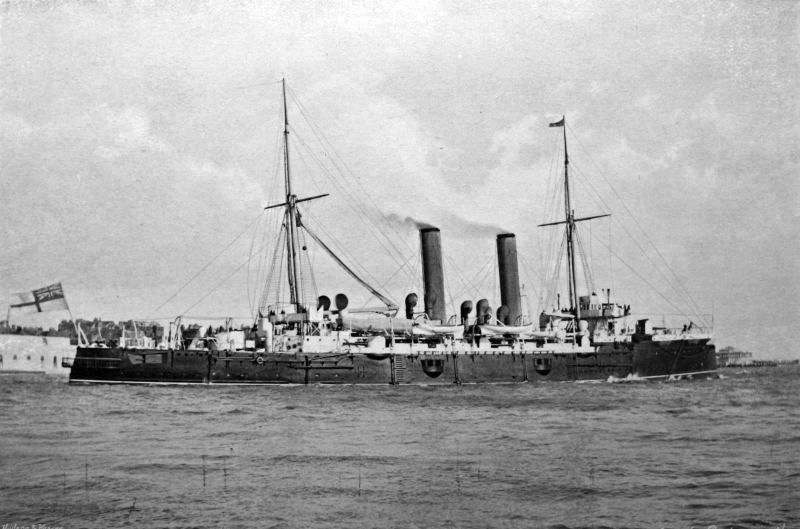
Retribution 1891 Protected Cruiser
|
 |
 |
 |
 |
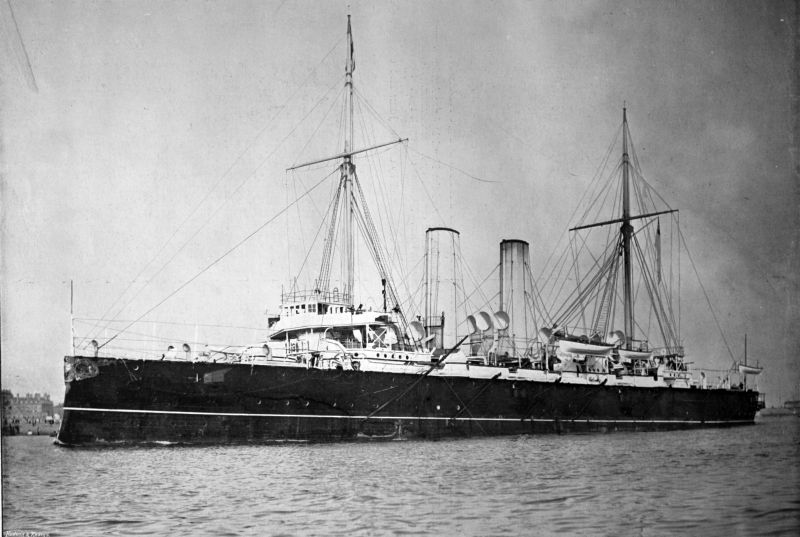
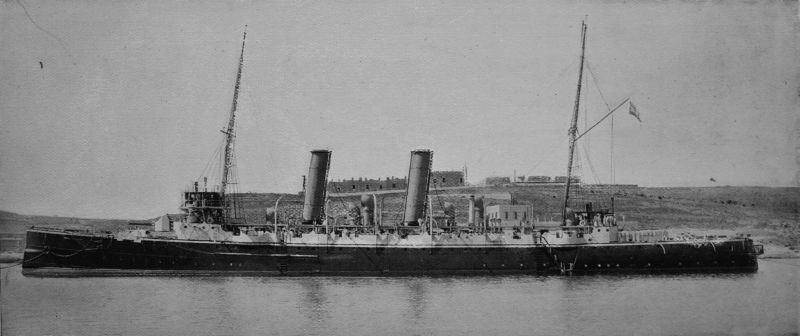
Royal Arthur 1891 Protected Cruiser |
St George 1892 First Class Protected Cruiser |
Gibraltar 1892 First Class Protected Cruiser |
Crescent 1892 First Class Protected Cruiser |
 |
 |
 |
|
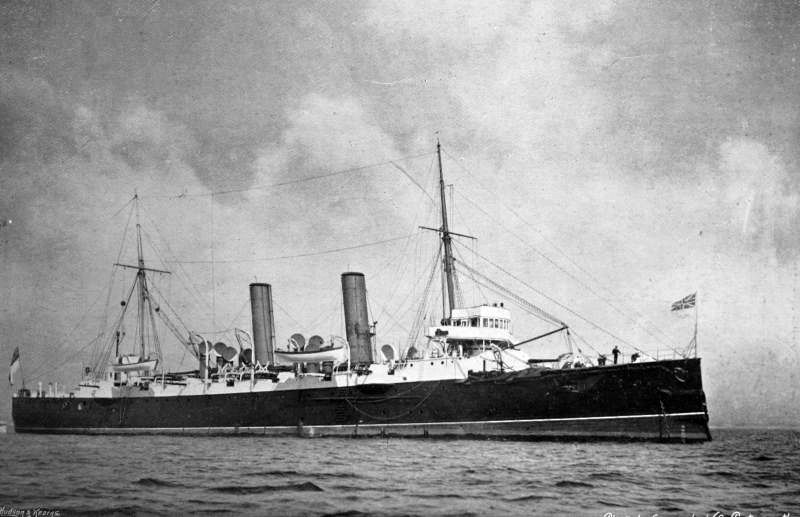
Theseus 1892 Protected Cruiser |
Astraea 1893 Second Class Protected Cruiser |
Charybdis 1893 Second Class Protected Cruiser |
|
 |
 |
 |
 |
Hermione 1893 Protected Cruiser |
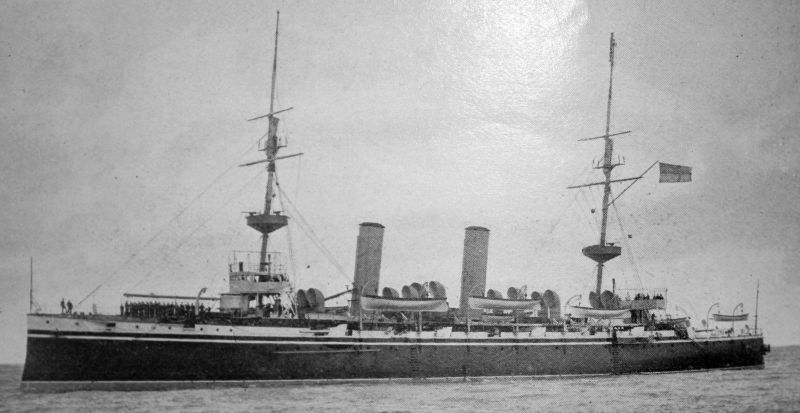
Warspite 1893 Protected Cruiser
|
Venus 1895 Protected Cruiser |
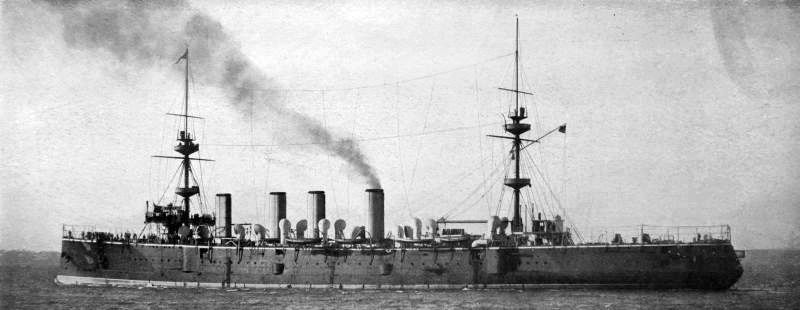
Talbot 1895 First Class Protected Cruiser |
 |
 |
 |
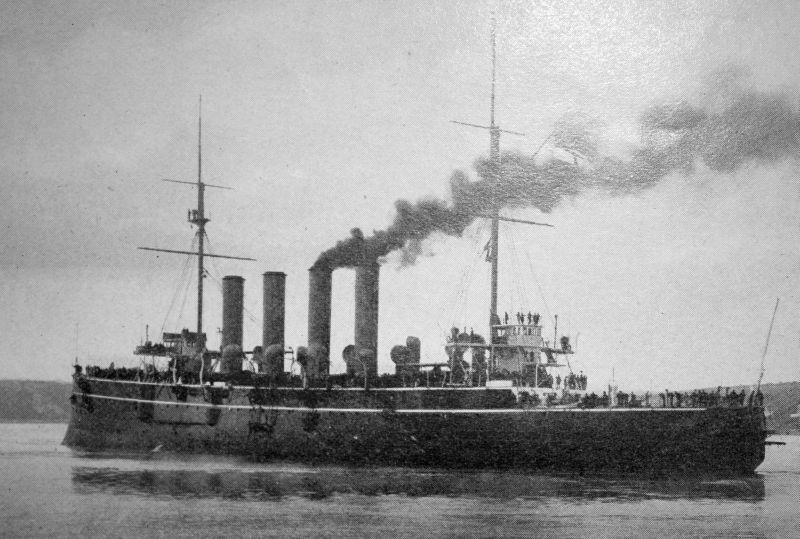 |
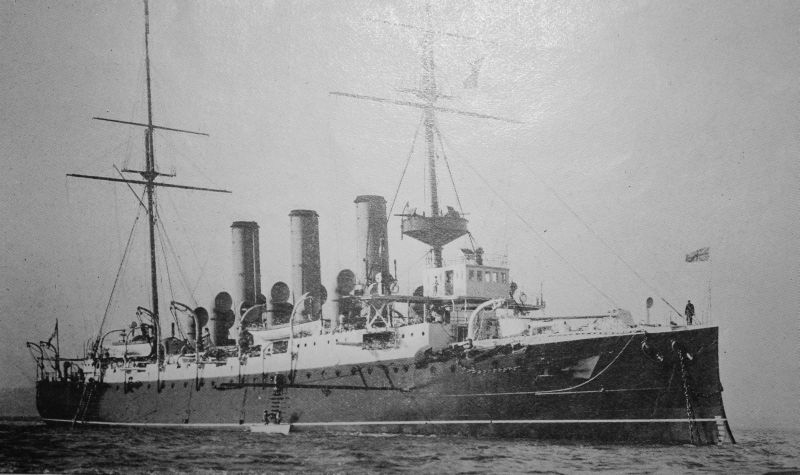
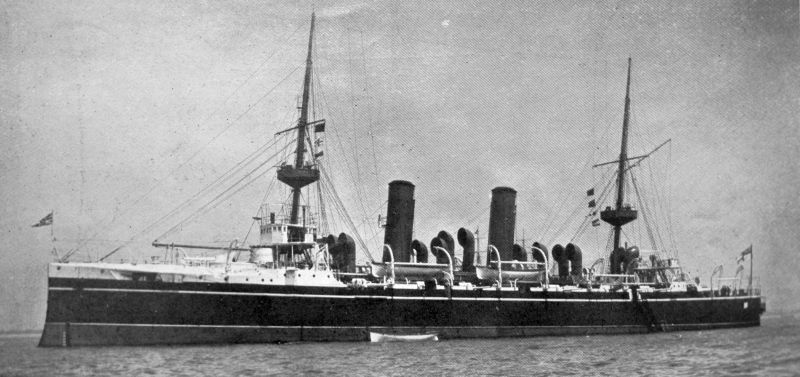
Powerful 1895 First Class Protected Cruiser |
Furious 1896 Second Class Protected Cruiser
|
Dido 1896 Second Class Protected Cruiser |
Andromeda 1897 Protected Cruiser |
 |
|||
King Alfred 1901 |
Pre-Dreadnoughts 1882-1905
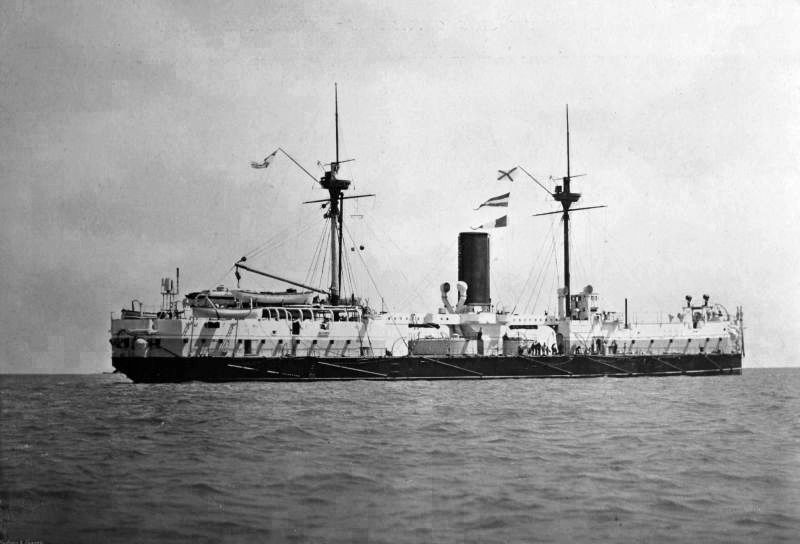
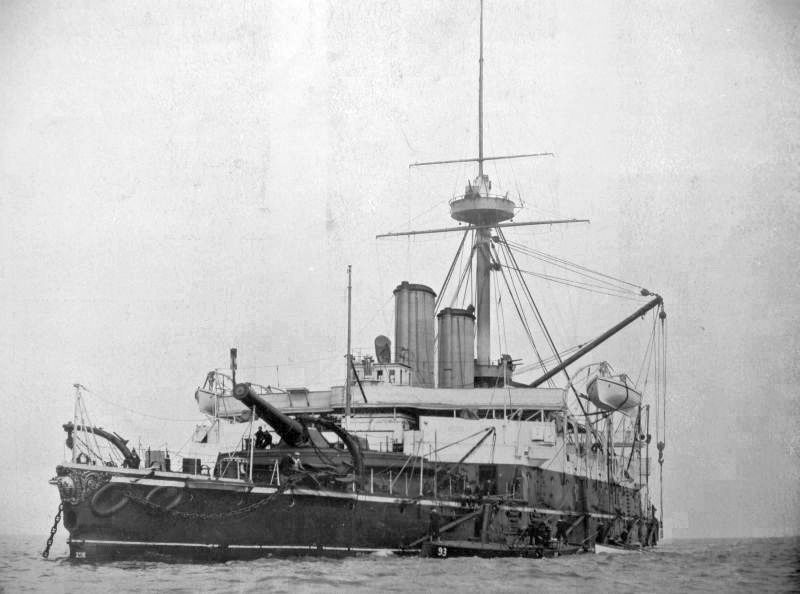
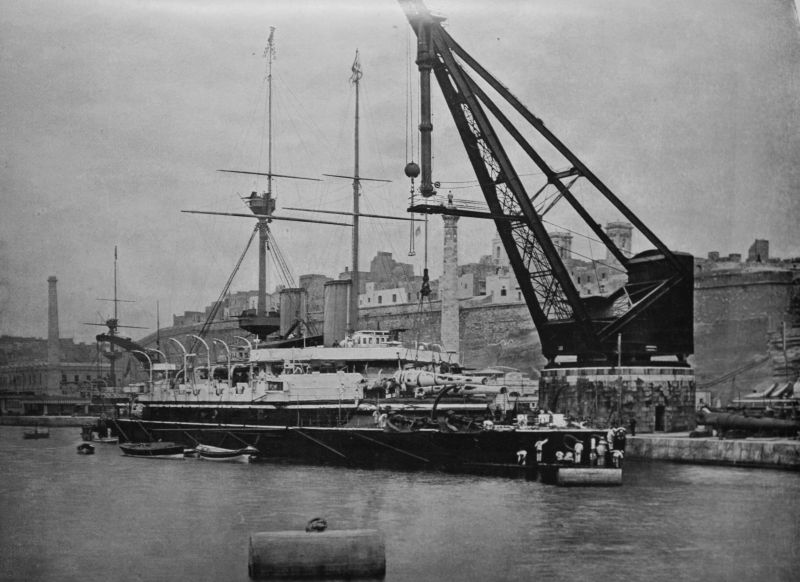
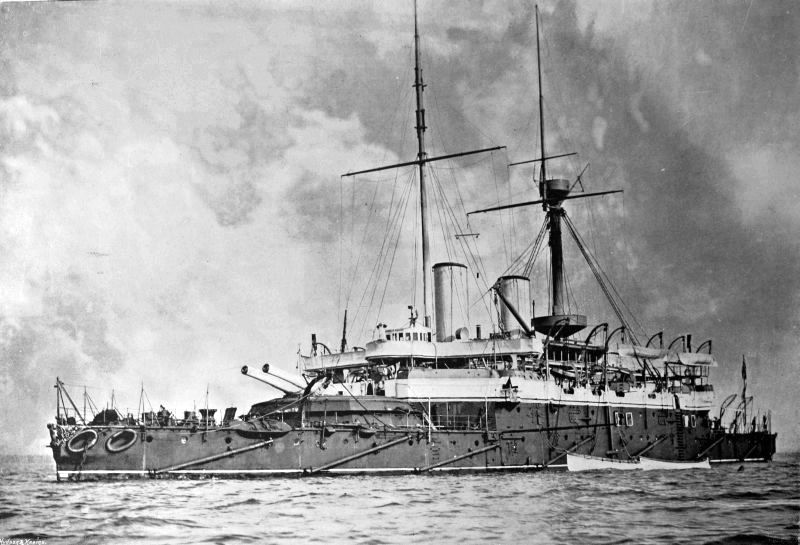
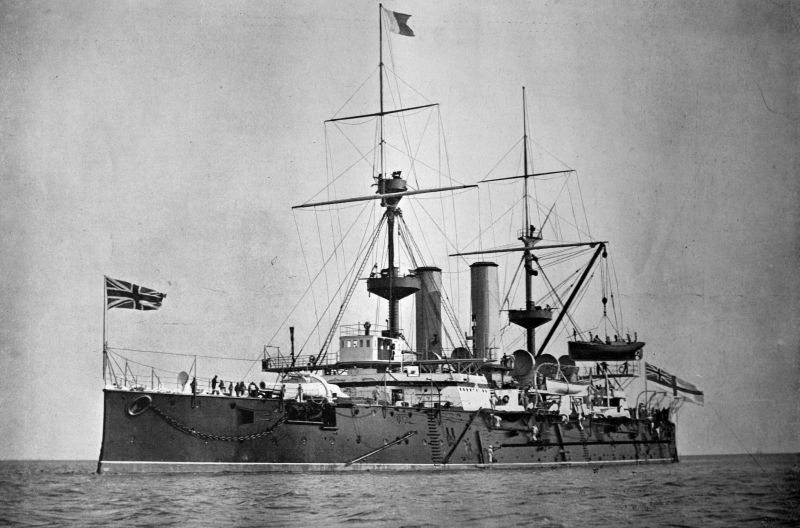
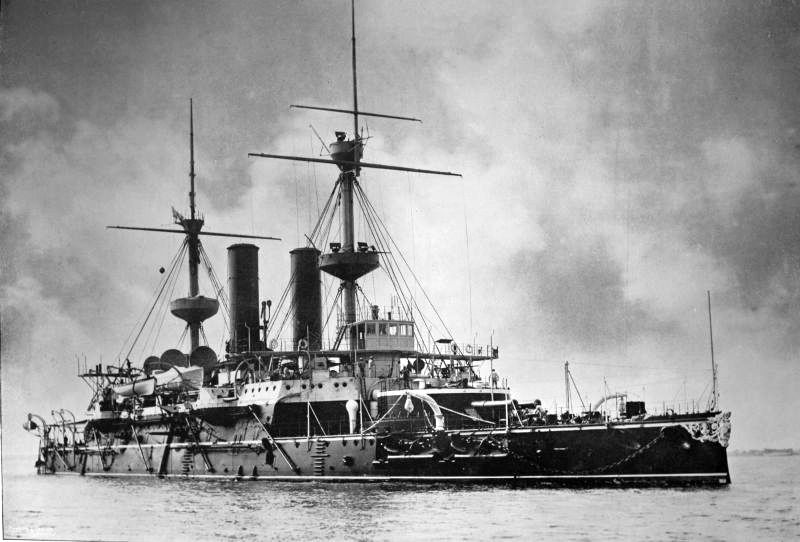
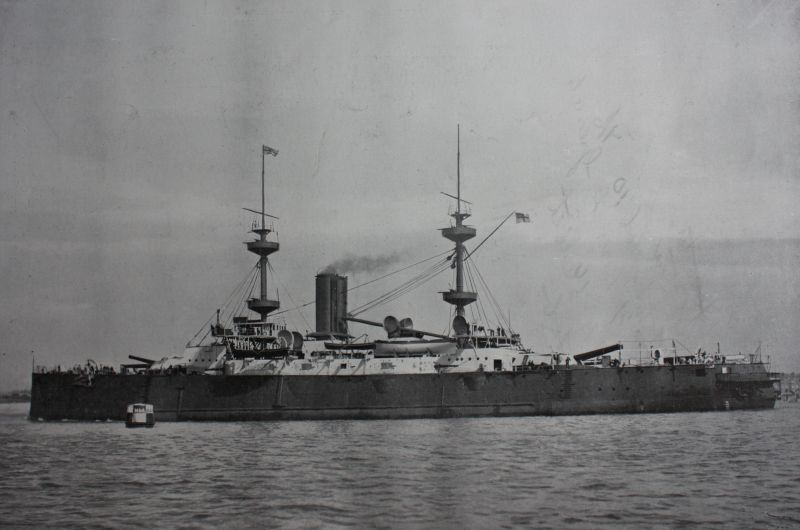
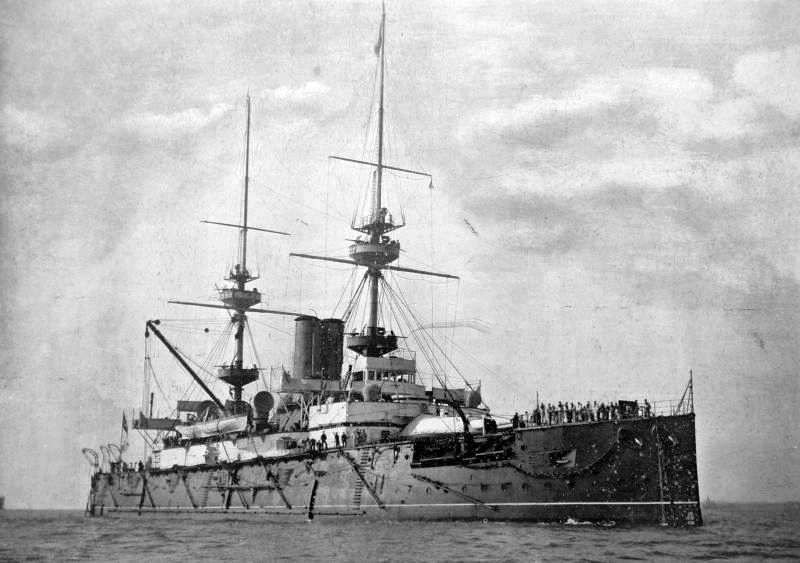
Pre-dreadnought was the general term applied to all battleships built prior to the Dreadnought Class of 1905.
They replaced the ironclads of the 1870-1880 period and were armed with main armament of heavy guns in turrets and secondary armament of lighter guns.
 |
 |
 |
 |
Edinburgh 1882 Ironclad Battleship
|
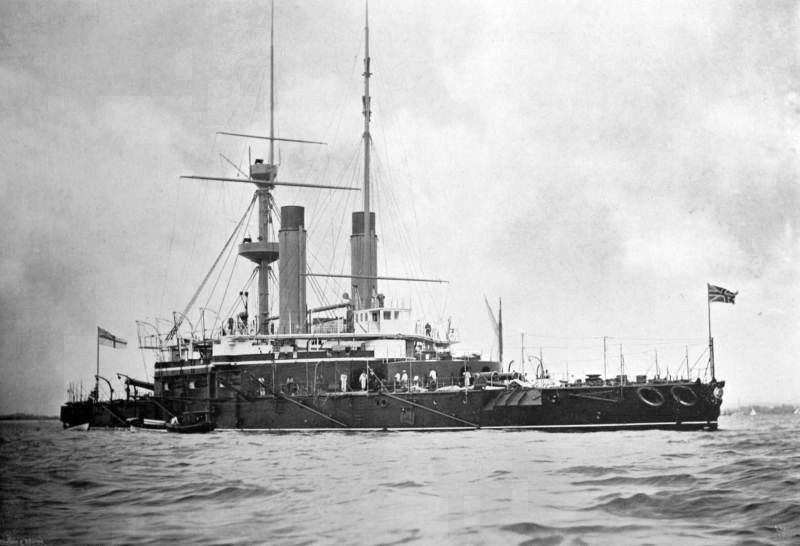
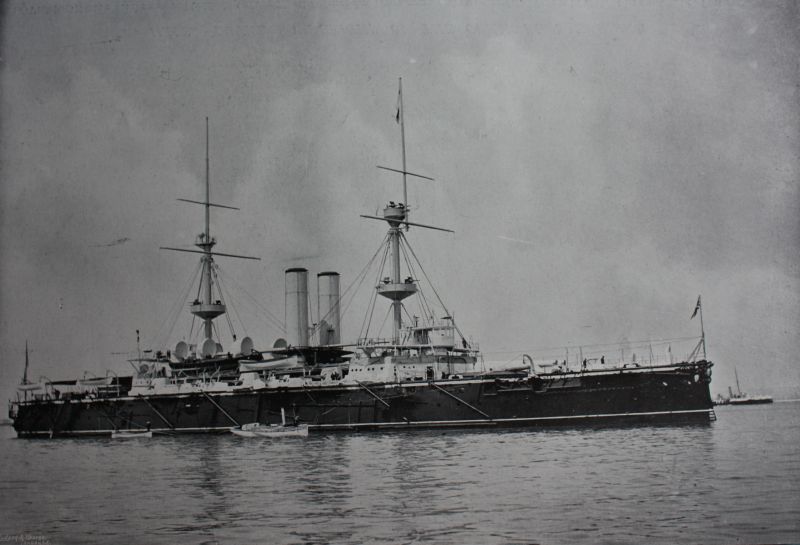
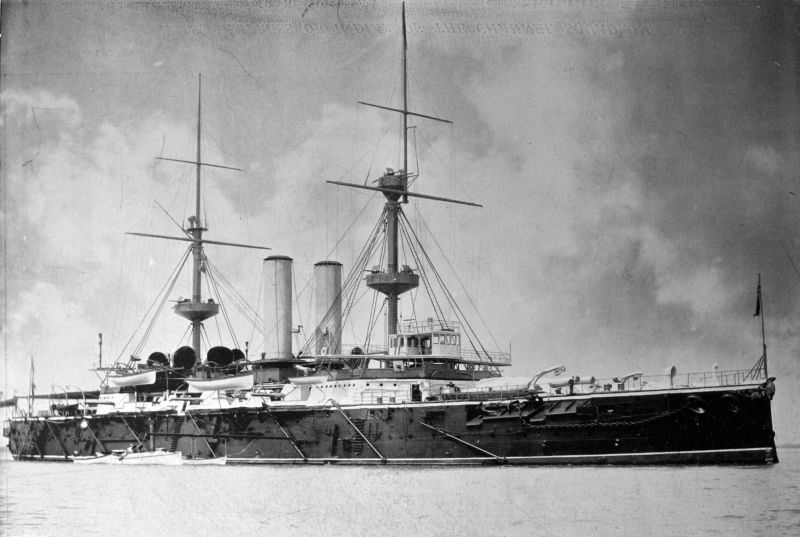
Benbow 1885 Admiral Class Battleship |
Camperdown 1885
Battleship |
Anson 1886 Admiral Class Battleship |
 |
 |
 |
 |
Trafalgar 1887 Trafalgar Class Battleship |
Nile 1888 Trafalgar Class Battleship |
Empress of India 1891 Royal Sovereign Class Battleship |
Royal Sovereign 1891 Royal Sovereign Class Battleship |
 |
 |
 |
 |
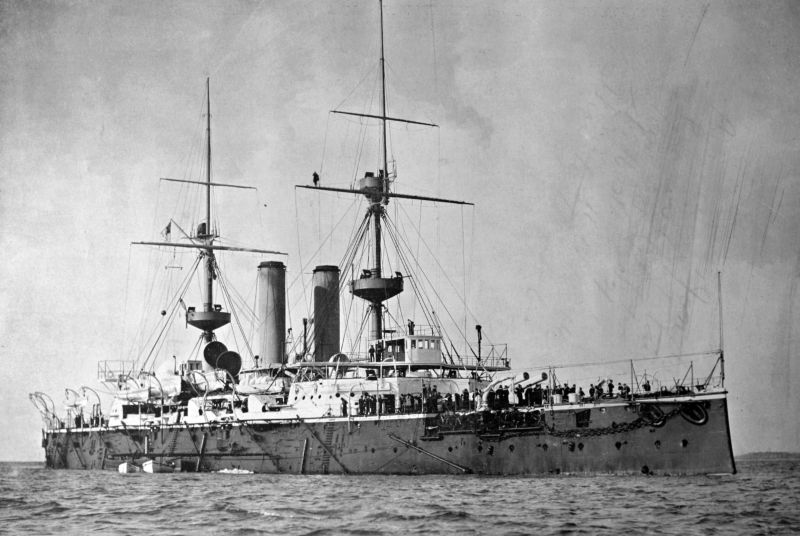
Centurion 1892 Centurion Class Battleship |
Barfleur 1892 Centurion Class Battleship |
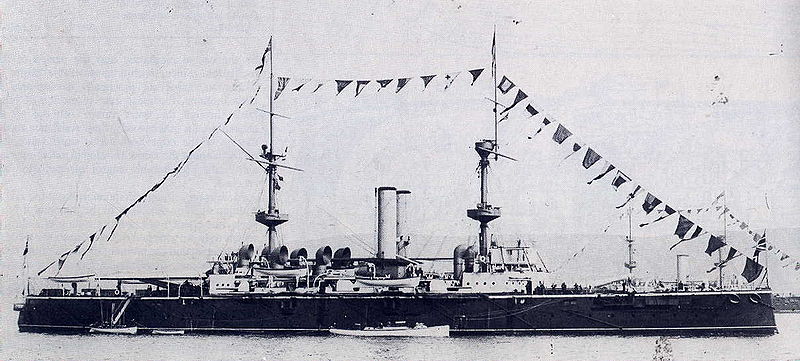
Ramillies 1892 Royal Sovereign Class Battleship |
Resolution 1892 Royal Sovereign Class Battleship |
|
 |
 |
|
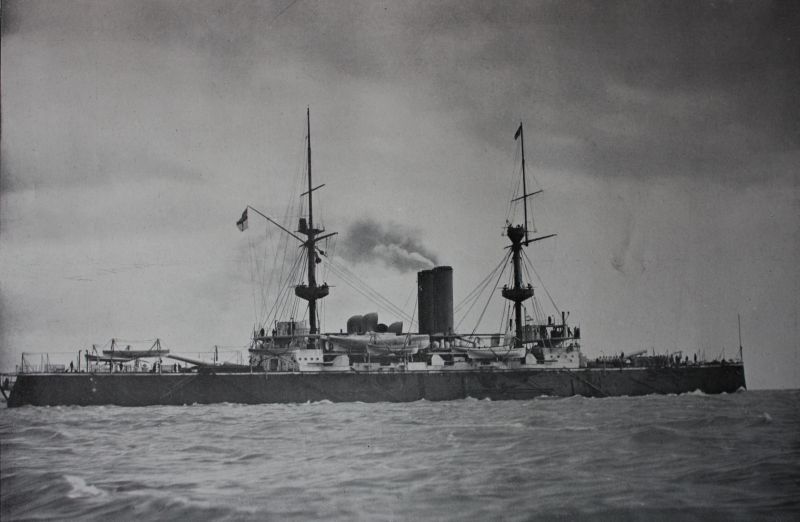
Saint George 1892 Majestic Class Battleship
|
Royal Oak 1892 Royal Sovereign Class Battleship |
Revenge 1892 Royal Sovereign Class Battleship |
|
 |
 |
 |
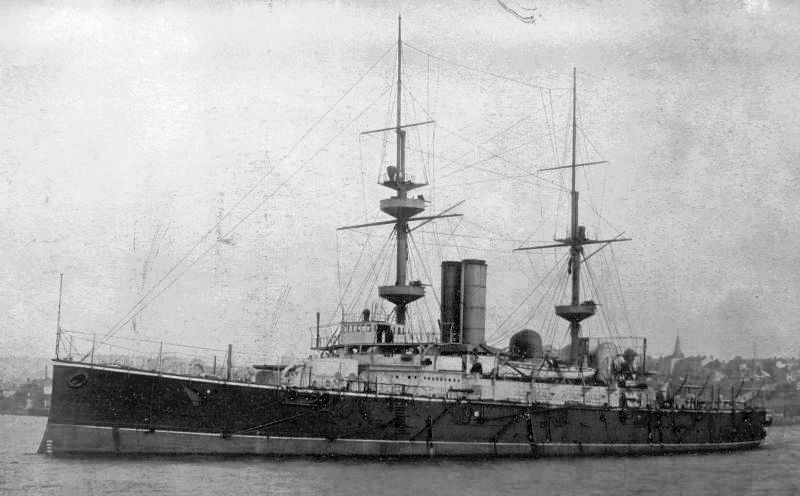 |
Hood 1893 Royal Sovereign Class Battleship |
Majestic 1895 Majestic class Battleship Sunk in 1915 |
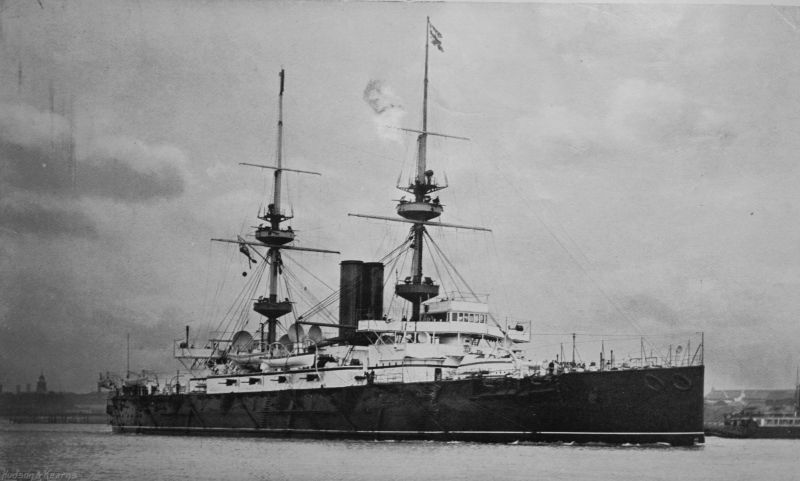
Prince George 1895 Majestic Class Battleship
|
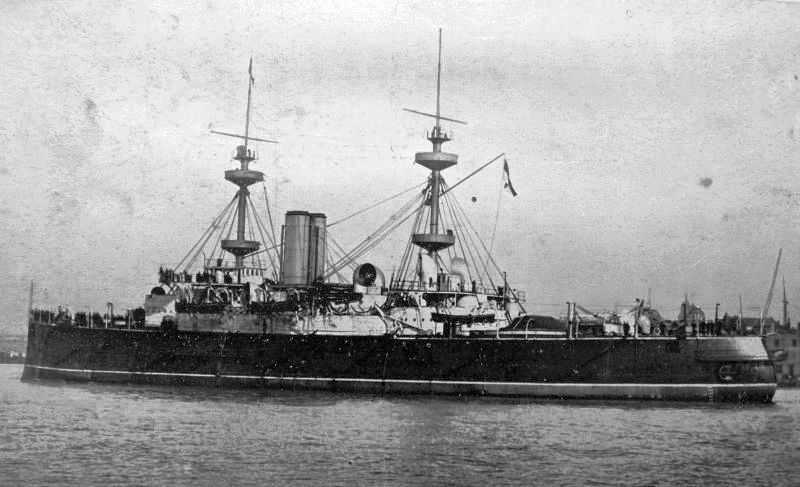
Renown 1895 Centurion Class Battleship
|
 |
 |
 |
 |
Jupiter 1895 Majestic Class Battleship
|
Caesar 1895 Majestic Class Battleship
|
Mars 1896 Majestic Class Battleship |
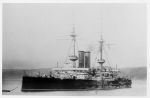
Ocean 1898 Canopus class Battleship Sunk by a mine in 1915 |
Royal Yachts
 |
 |
 |
 |
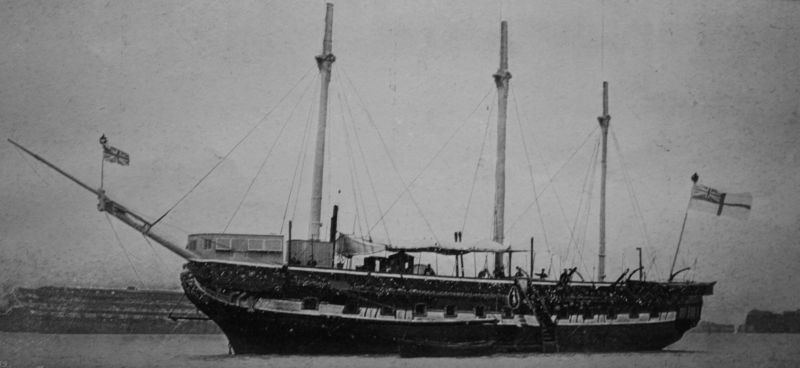
Royal Yacht Royal George 1817-1842
|
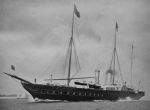
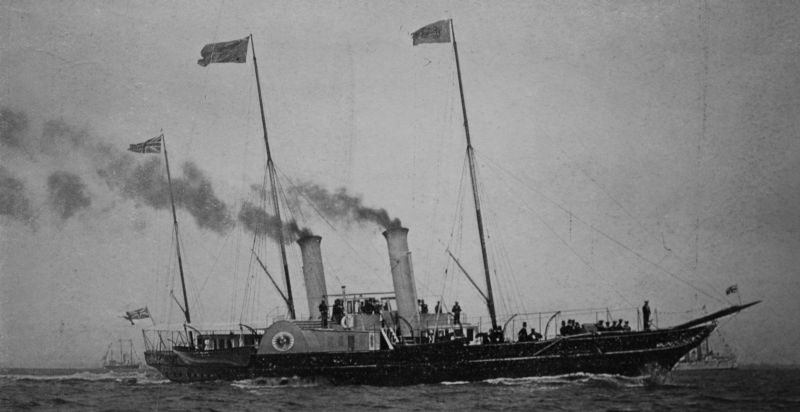
Royal Yacht Victoria and Albert II 1855-1900
|
Royal Yacht Alberta 1863-1913
|
Royal Yacht Osborne 1870-1908
|
 |
|||
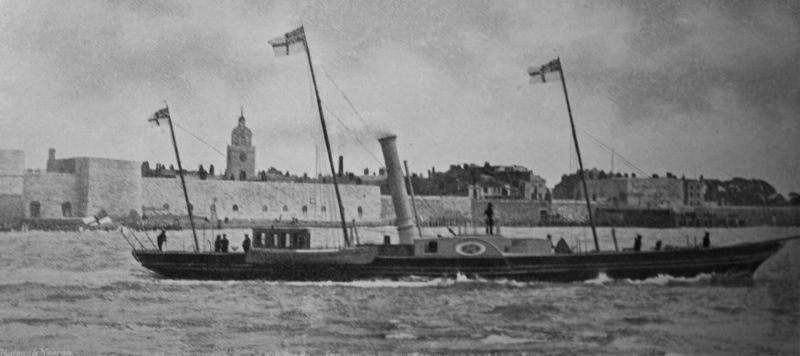
Royal Yacht Elfin 1848-1901
|
Sources
The photographs on this page have been extracted from PFS Archive copies of Navy and Army Illustrated.
My thanks to PFS member Alec Beanse for providing information, advice and support for this page.
Links
Wikipedia List of un-armoured ships 1847-1861
Royal Navy list of ironclads 1860-1882
Wikipedia List of Iron-clads 1860 to 1882