

 |
 |
 |
 |
 |
 |
 |
The 13-inch Mortar
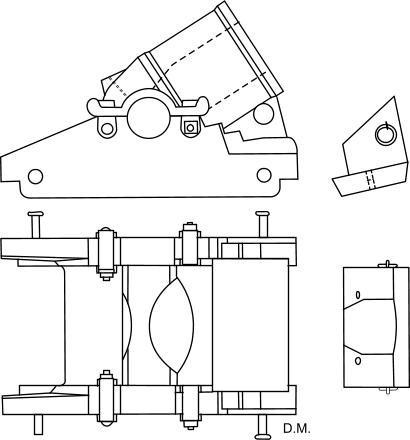
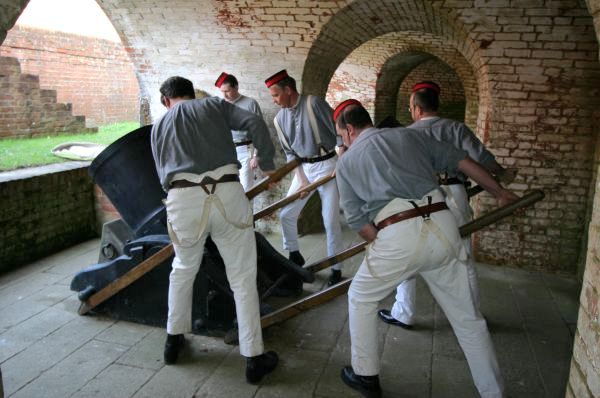
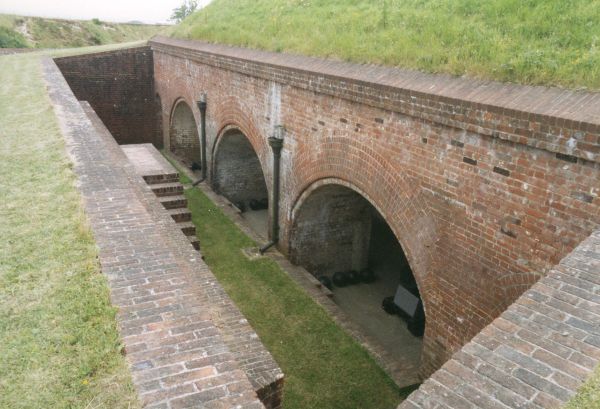
The Forts of Portsdown hill were constructed with mortar batteries for the 13-inch smooth bore mortar. Firing at a fixed angle of 45 degrees this large calibre weapon was able to fire a shell weighing 200lbs a distance of 2,900 yards with a full service charge of 9lbs of black powder. It was essentially a weapon for countering enemy siege works as it could put plunging shot behind breastworks and entrenchments to reach troops that were otherwise protected from fire. It could also be employed to illuminate the battle scene at night by using parachute ball lights.
Following trials by the Royal Engineers and Royal Artillery in 1862 at Fort Fareham it was decided to abandon the use of mortars in fixed casemates due to the heavy reverberations experienced that made it impossible for troops to remain within the casemates when the mortars were fired. Instead high angled firing howitzers were sited on the main ramparts of the forts to take on the role of the mortars.
Fort Nelson was never fitted with its 13-inch mortars but some forts of the Gosport Advanced Line had mortars sited on the main parade ground where they could fire over the main ramparts of the fort.
The 13 inch Smooth Bore Mortar
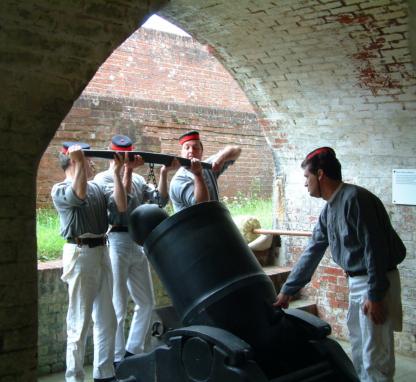
The Portsdown ArtilleryVolunteers firing a 13-inch mortar at Fort Nelson
 |
 |
 |
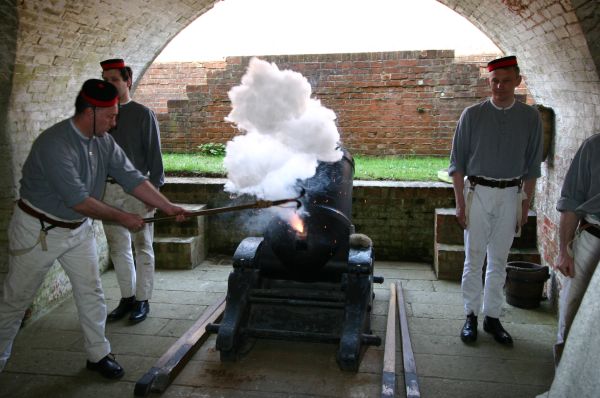
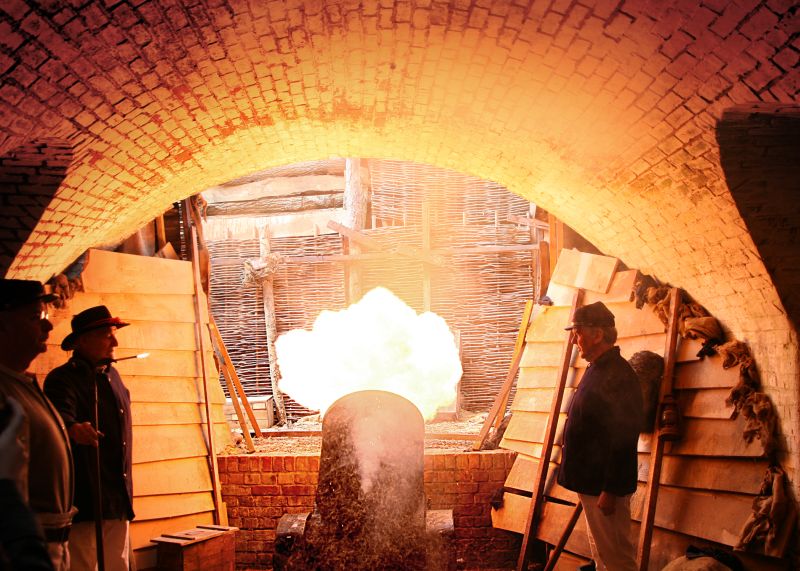
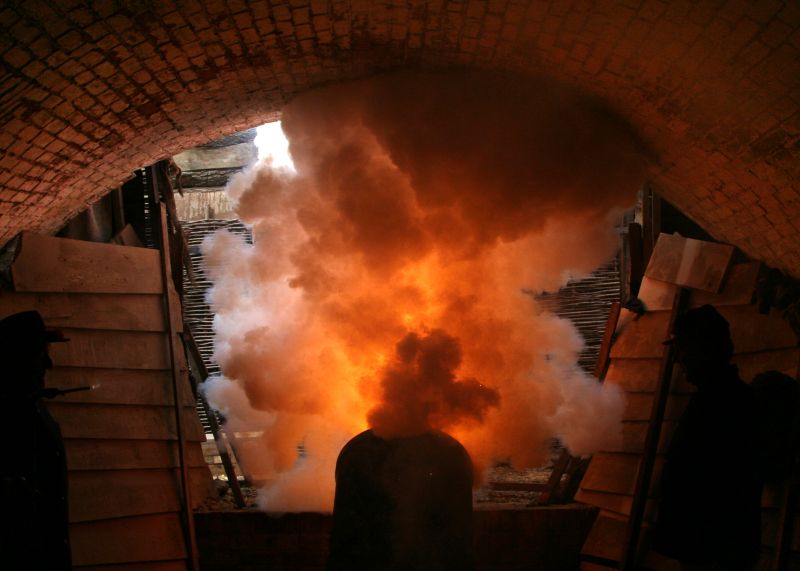
Firing ion the The West Mortar Battery at Fort Nelson
 |
 |
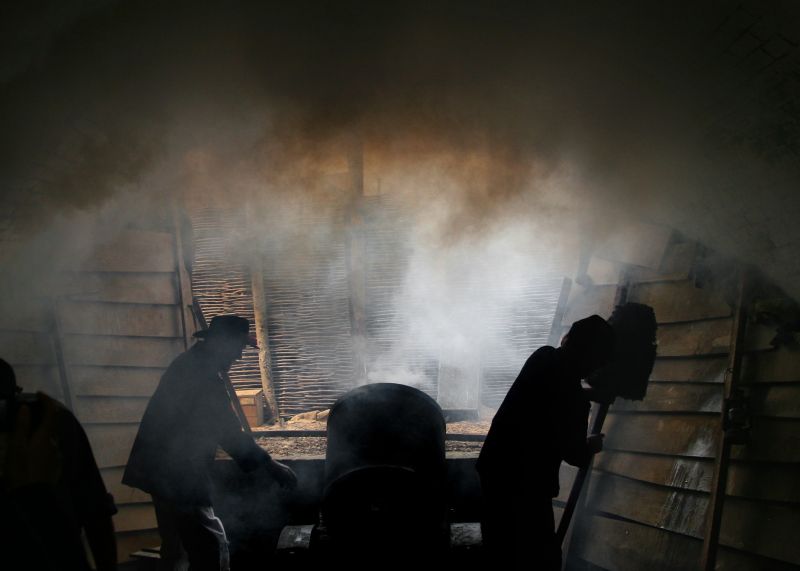 |
The Portsdown Artillery Volunteers firing the 13-inch mortar in the West Mortar Battery at Fort Nelson:
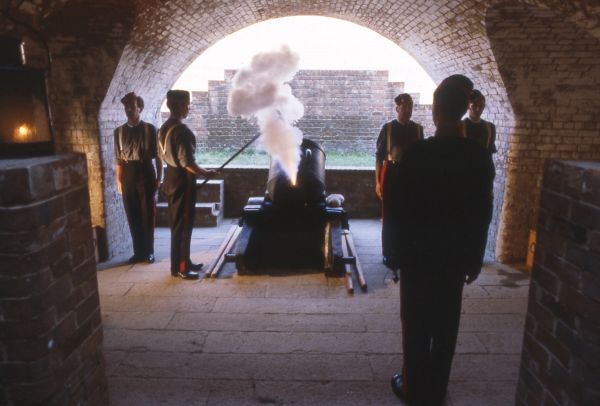
In their role as an American Civil War gun crew:
Photographs by Roy Daines
Information about the Mortar Batteries at Fort Nelson
Download a Data pamphlet on the 13-inch mortar